Who this is for
- Fitness equipment brands
- Gym and studio procurement teams
- Sports retailers and distributors
- Corporate and hospitality facilities
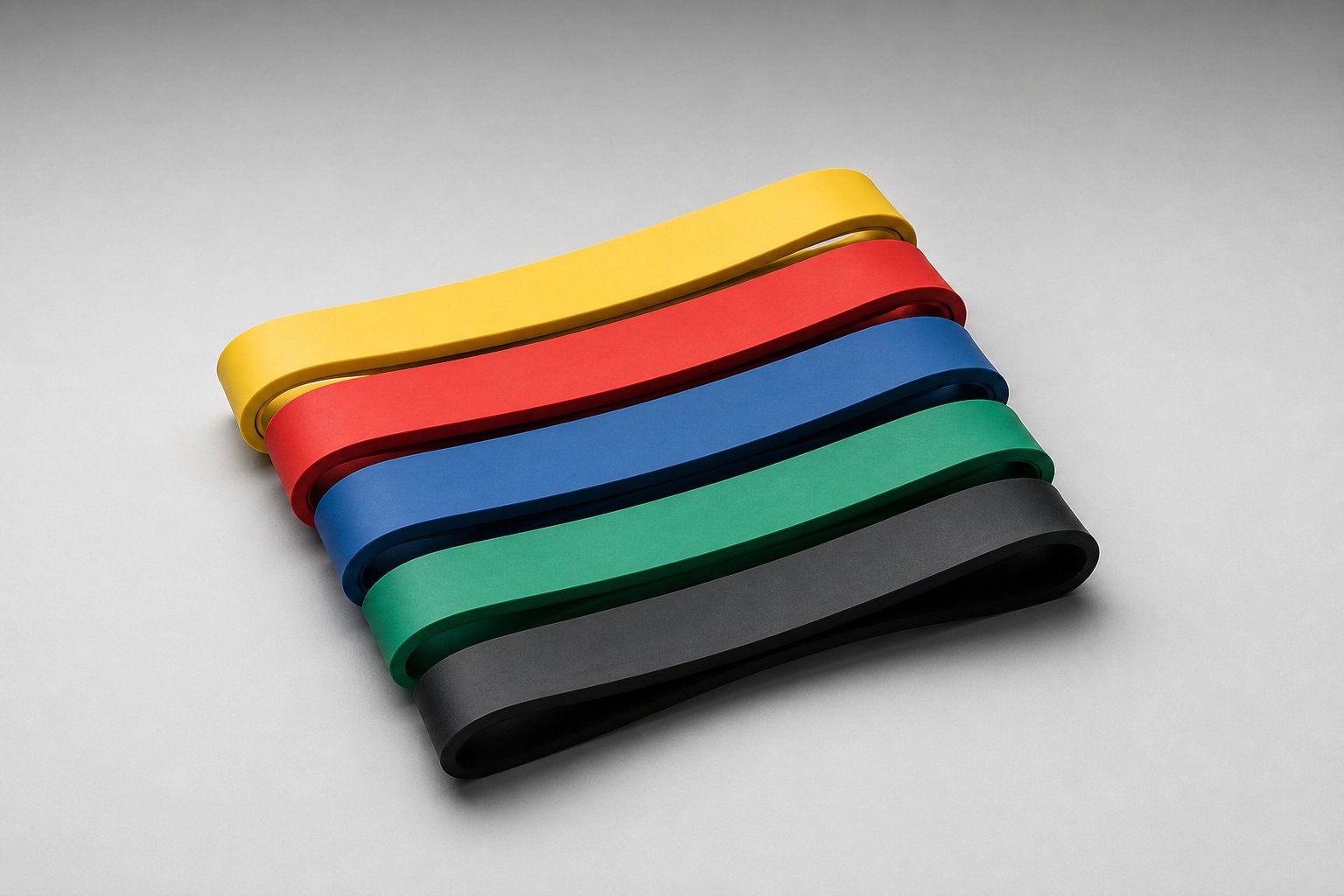
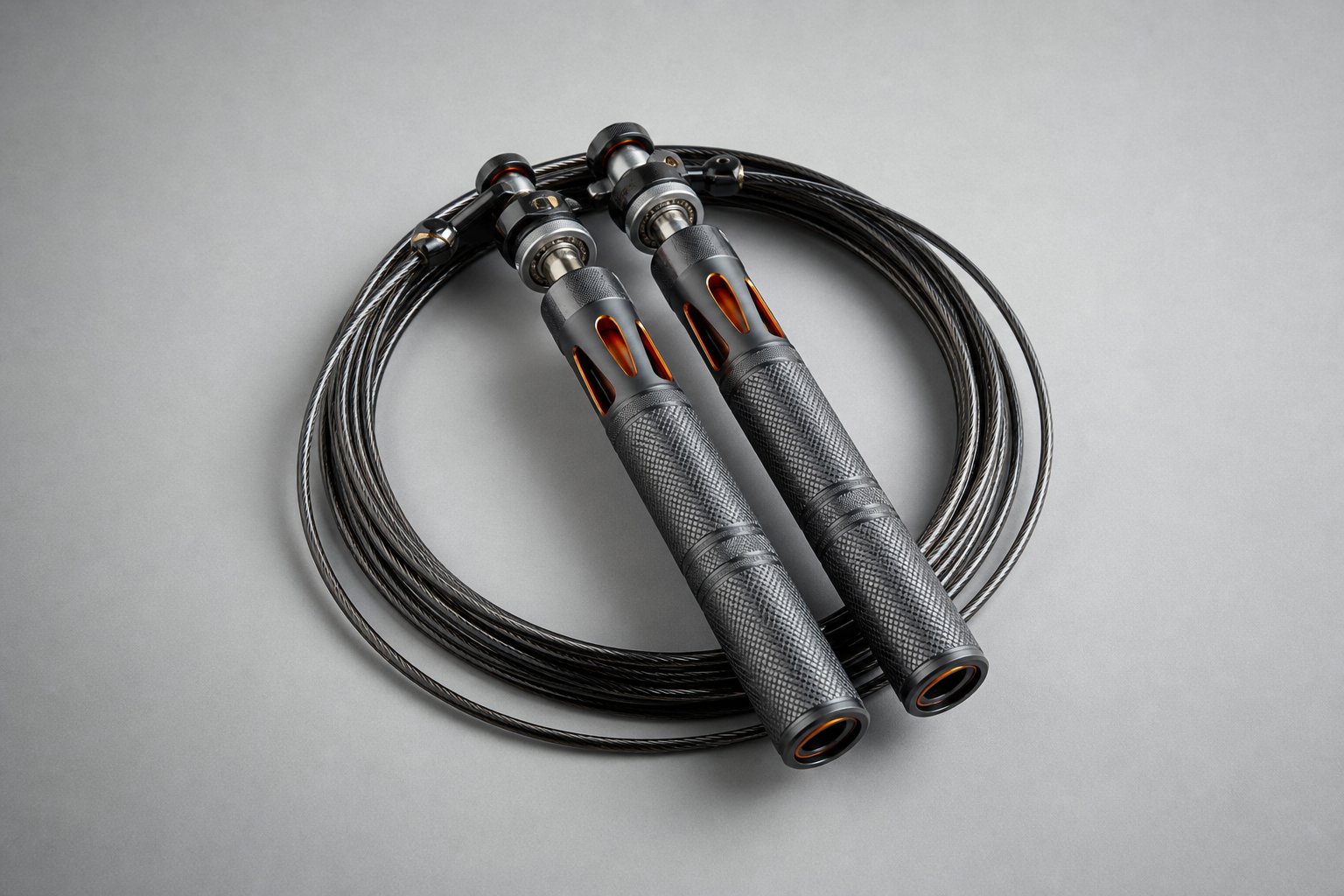
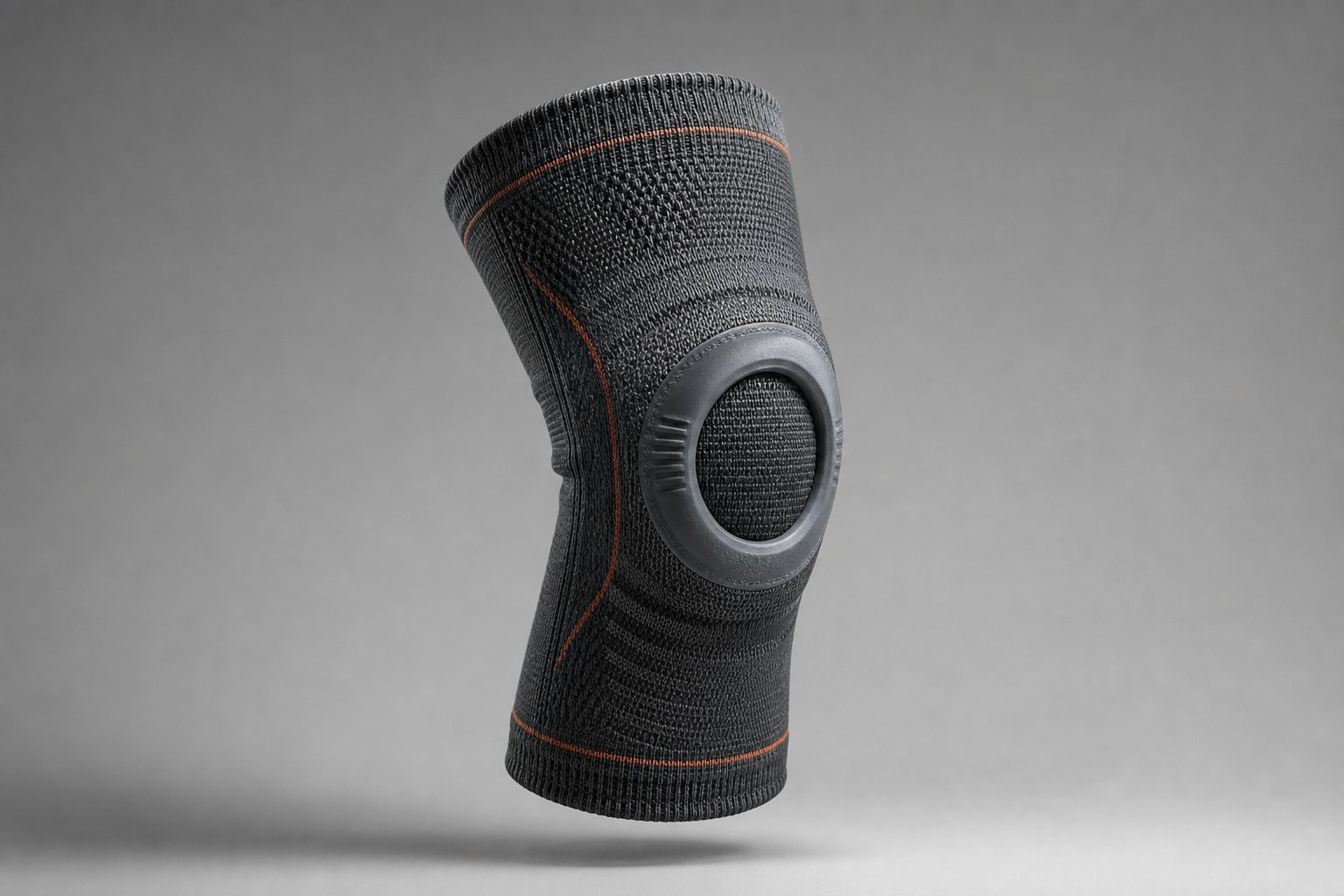
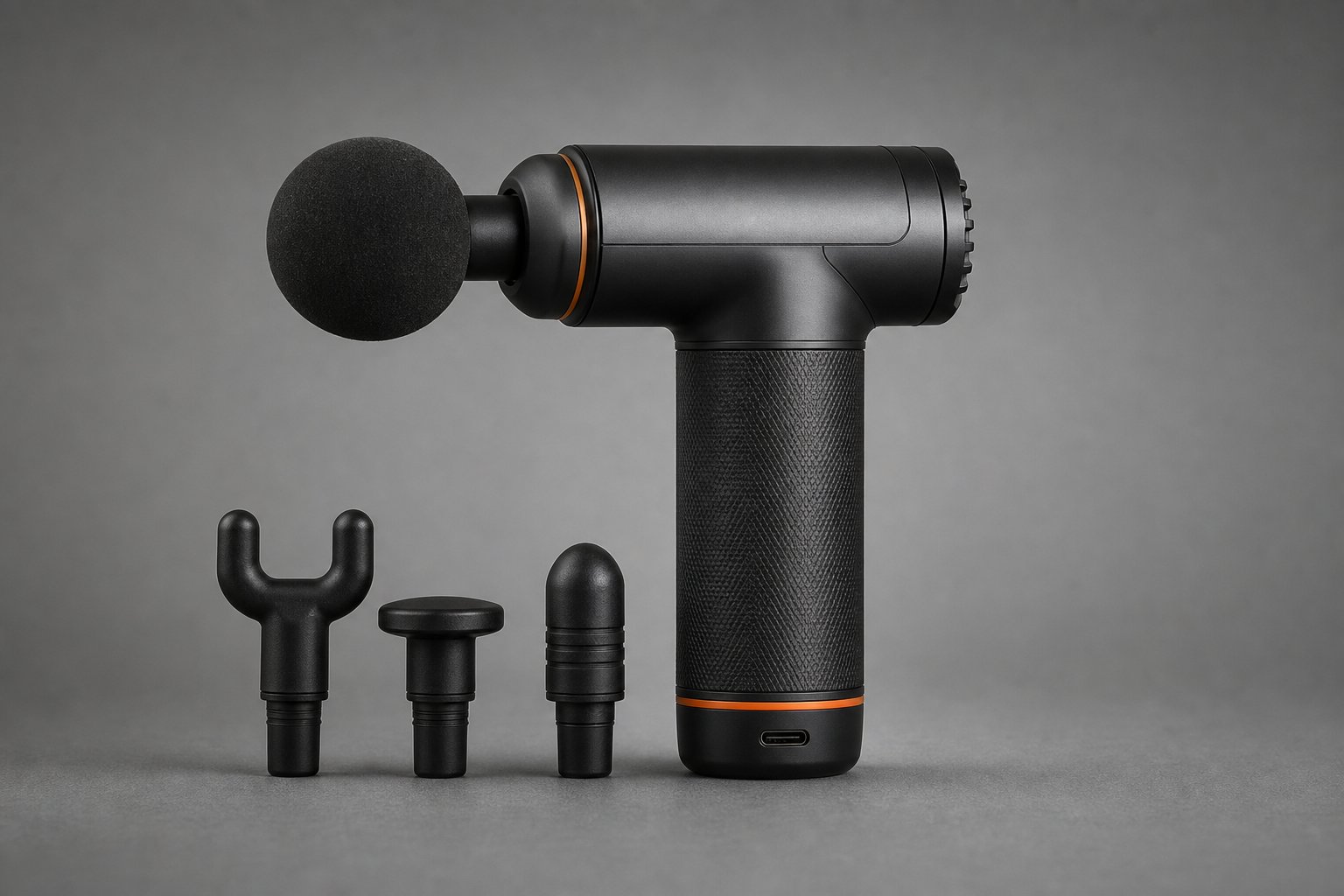
Compare strength equipment, cardio, free weights, yoga and Pilates, resistance bands, training accessories, braces, massage and recovery, and sauna and ice-bath equipment. Define the intended user, load, materials, branding, inspection evidence, carton plan and delivery route before choosing a supplier or approving a sample.
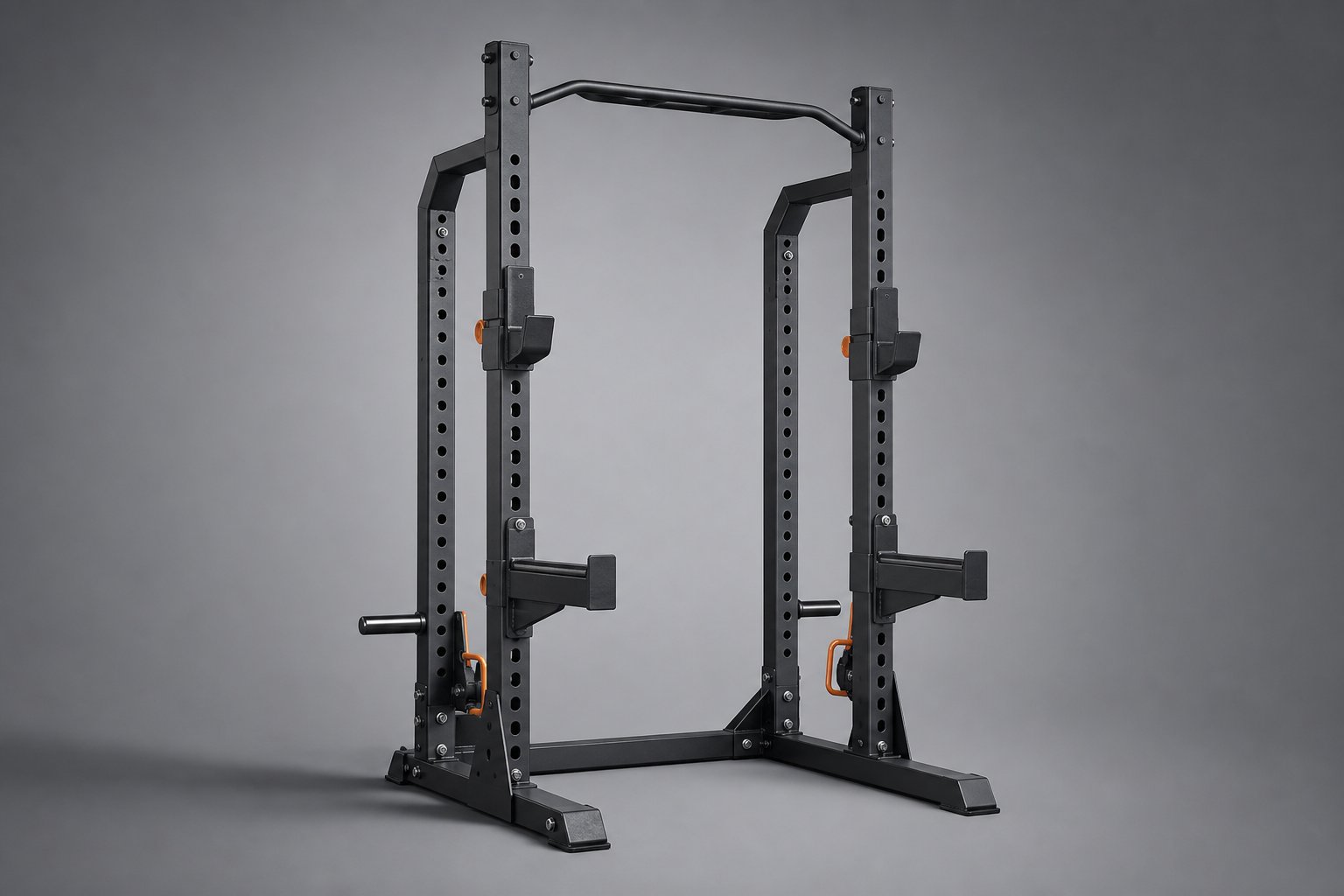
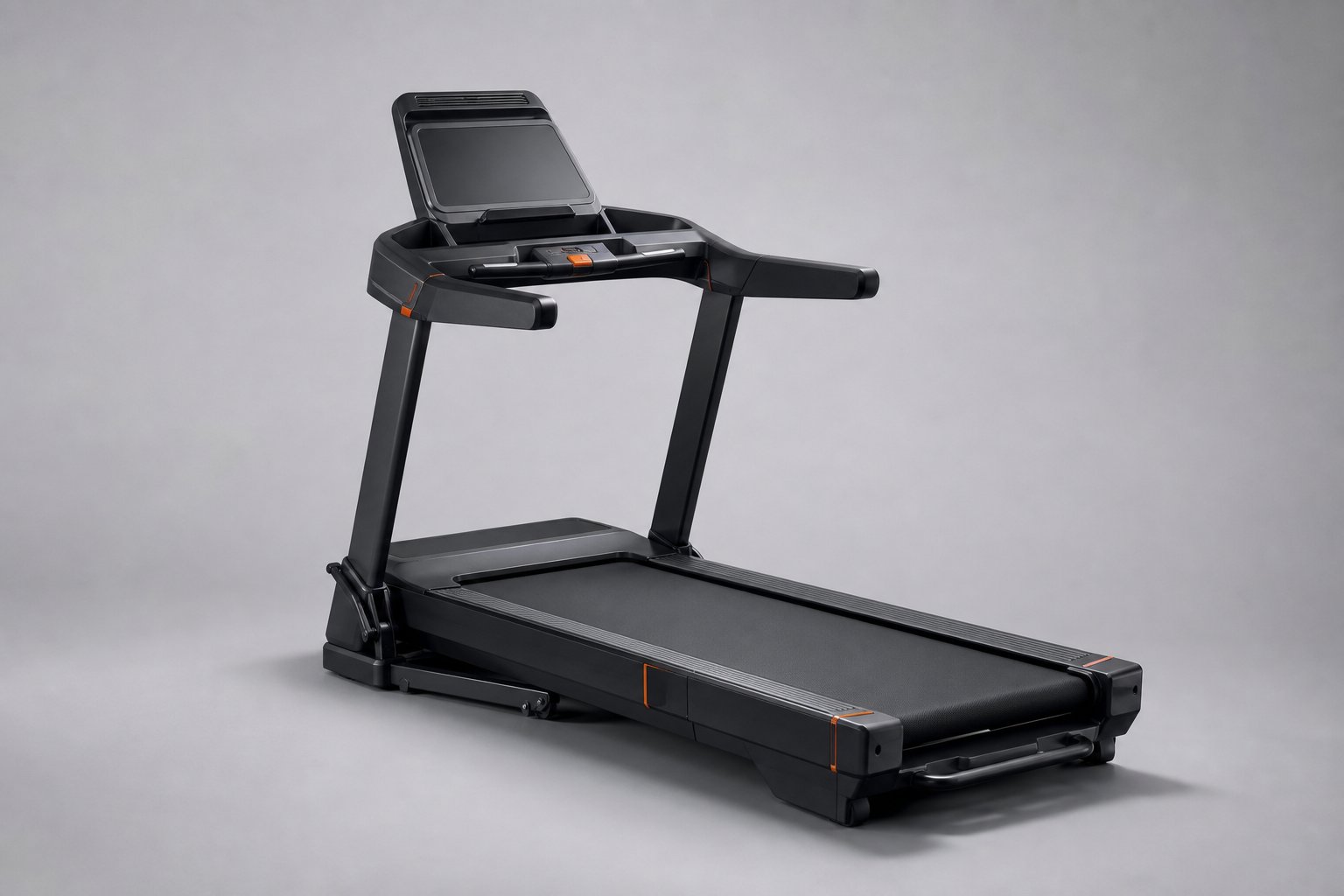
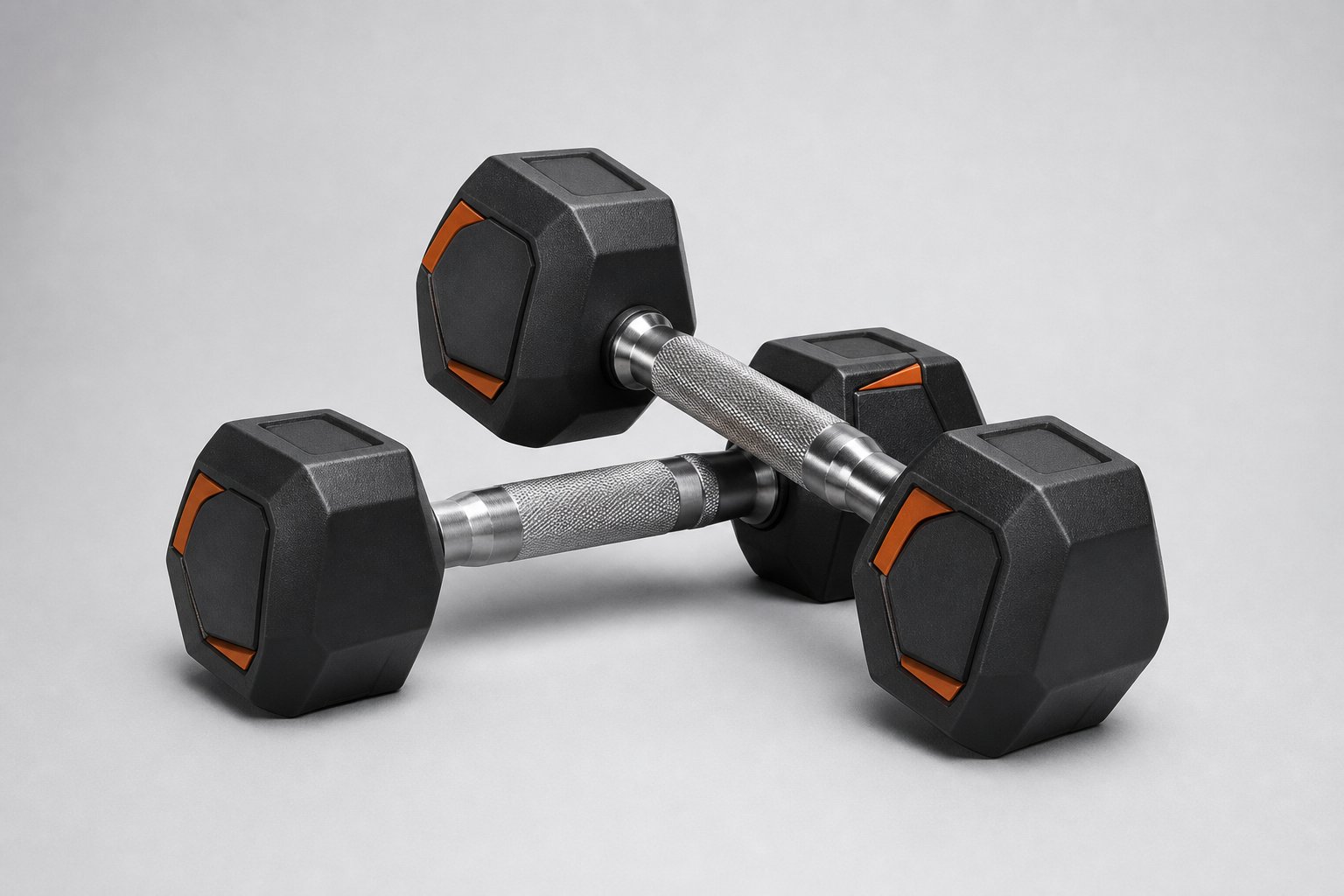
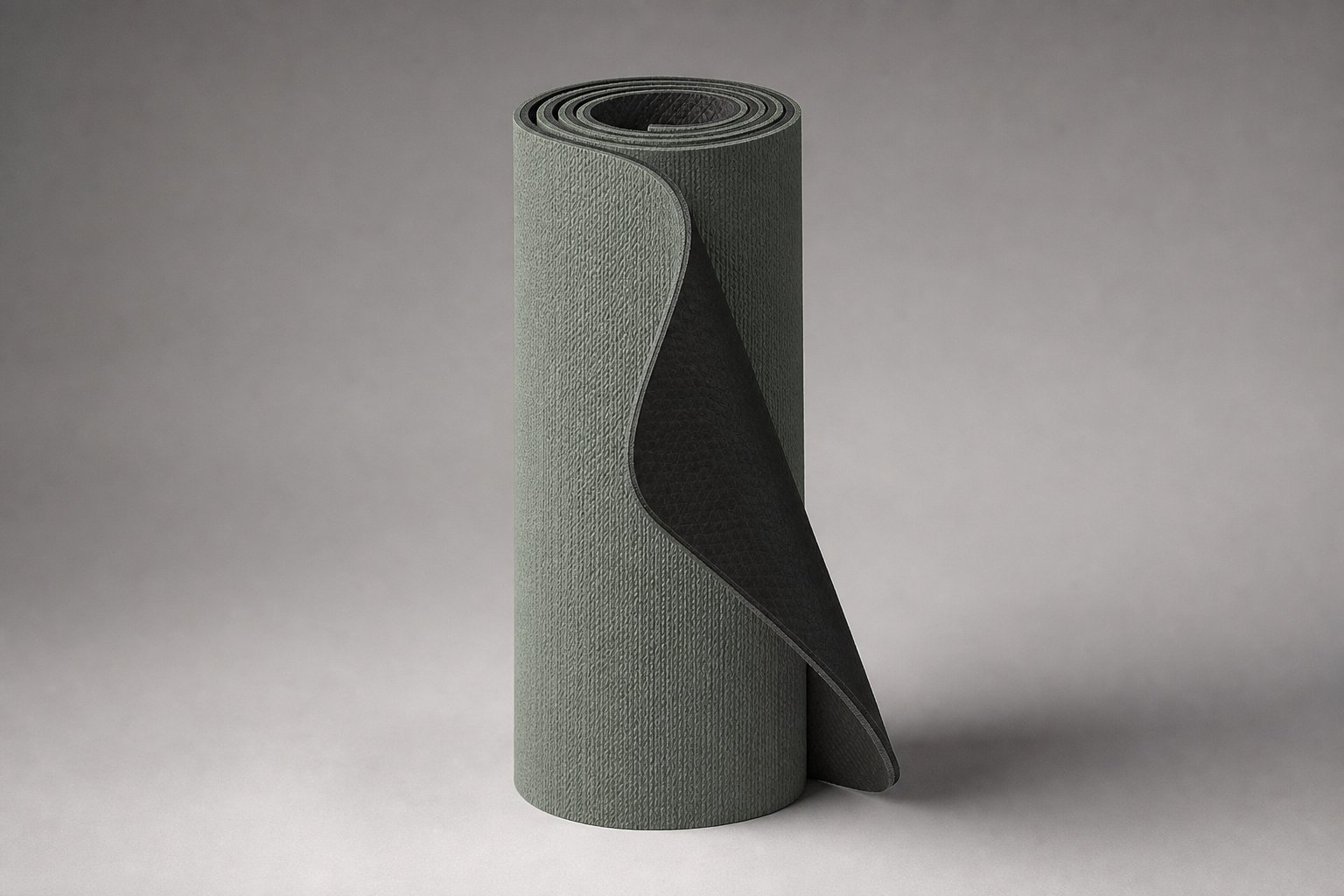
Images are generated illustrations. Request supplier-specific photographs, drawings and records when approving a product or production site.
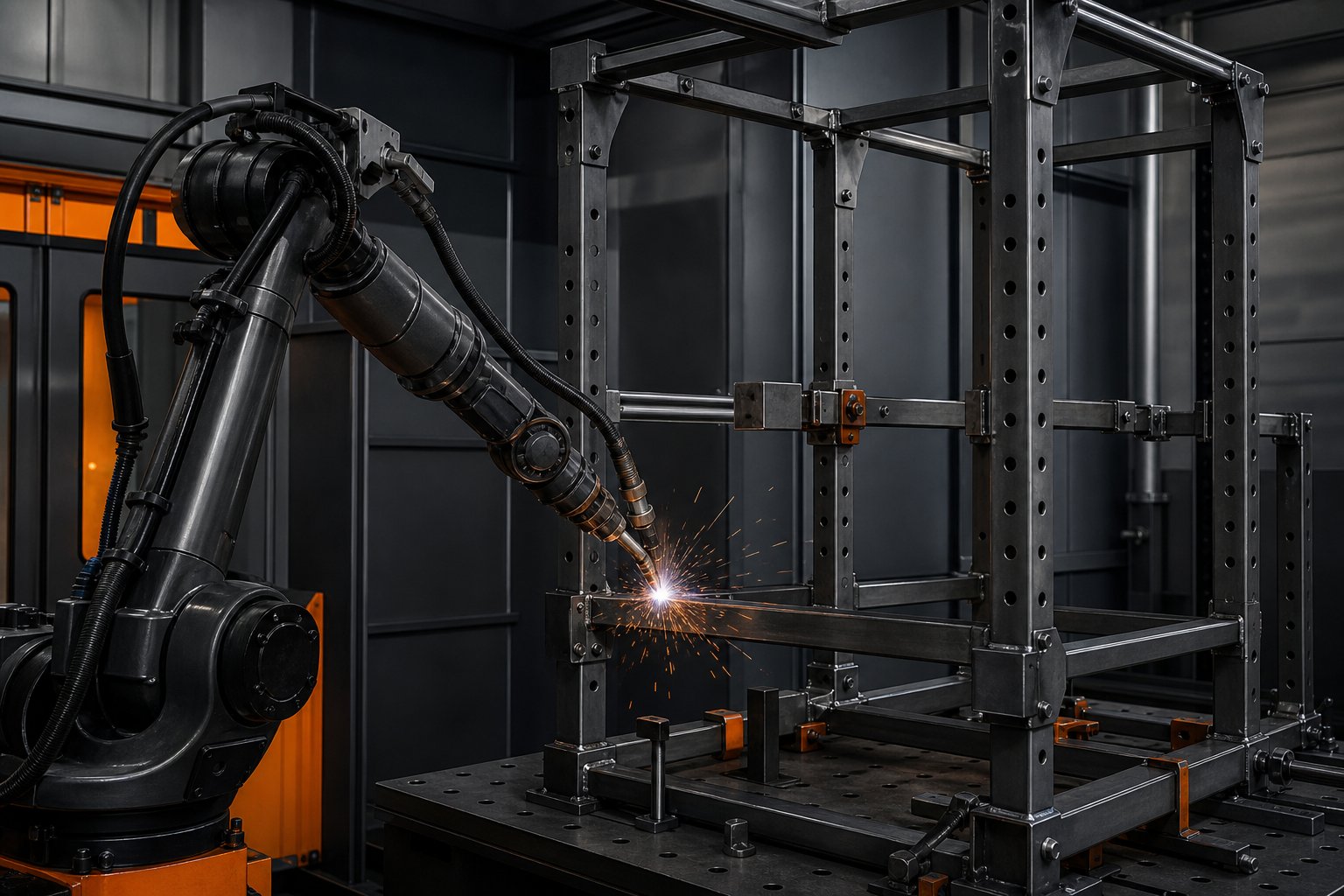
For a proposed frame or machine, ask who makes it, which operations are subcontracted, and how material, cutting, bending, welding, surface preparation, coating, assembly and packaging will be checked. Record acceptance criteria and inspection responsibilities against the approved specification; review the actual supplier records before authorising production or shipment.
Use Ningjin, Xiamen, Qingdao, Pizhou, Dingzhou and Yongkang/Wuyi as starting points for category research. For each proposed source, request the legal entity, manufacturing address, production scope, subcontractor details and relevant product references before sample approval.
A 2025 report on the General Administration of Sport website describes nearly 3,000 related businesses in Ningjin, RMB 13.9 billion in 2024 output and more than 70% of the domestic commercial-equipment market. These are regional figures; verify the proposed manufacturer separately.
References: Ningjin industry context
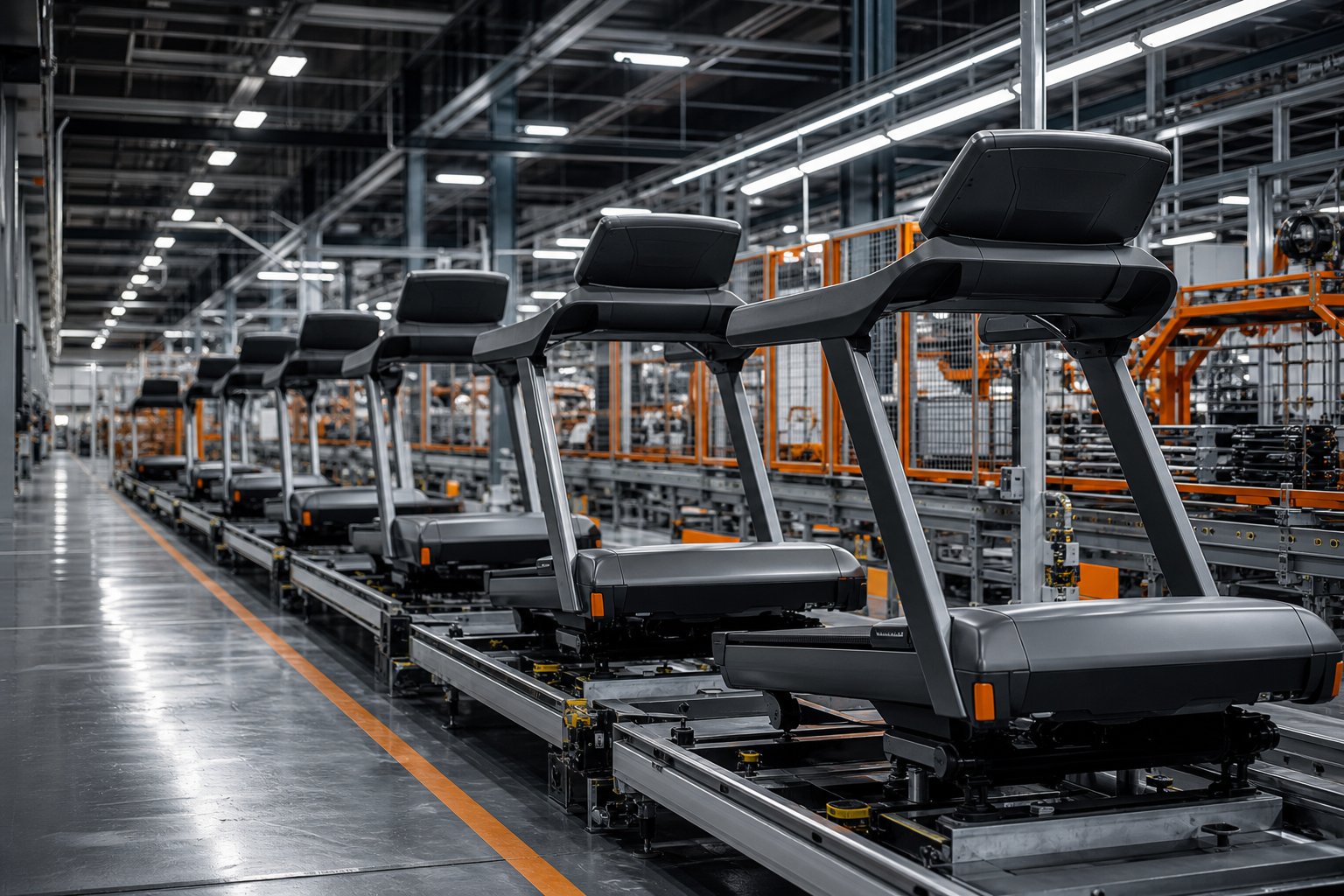
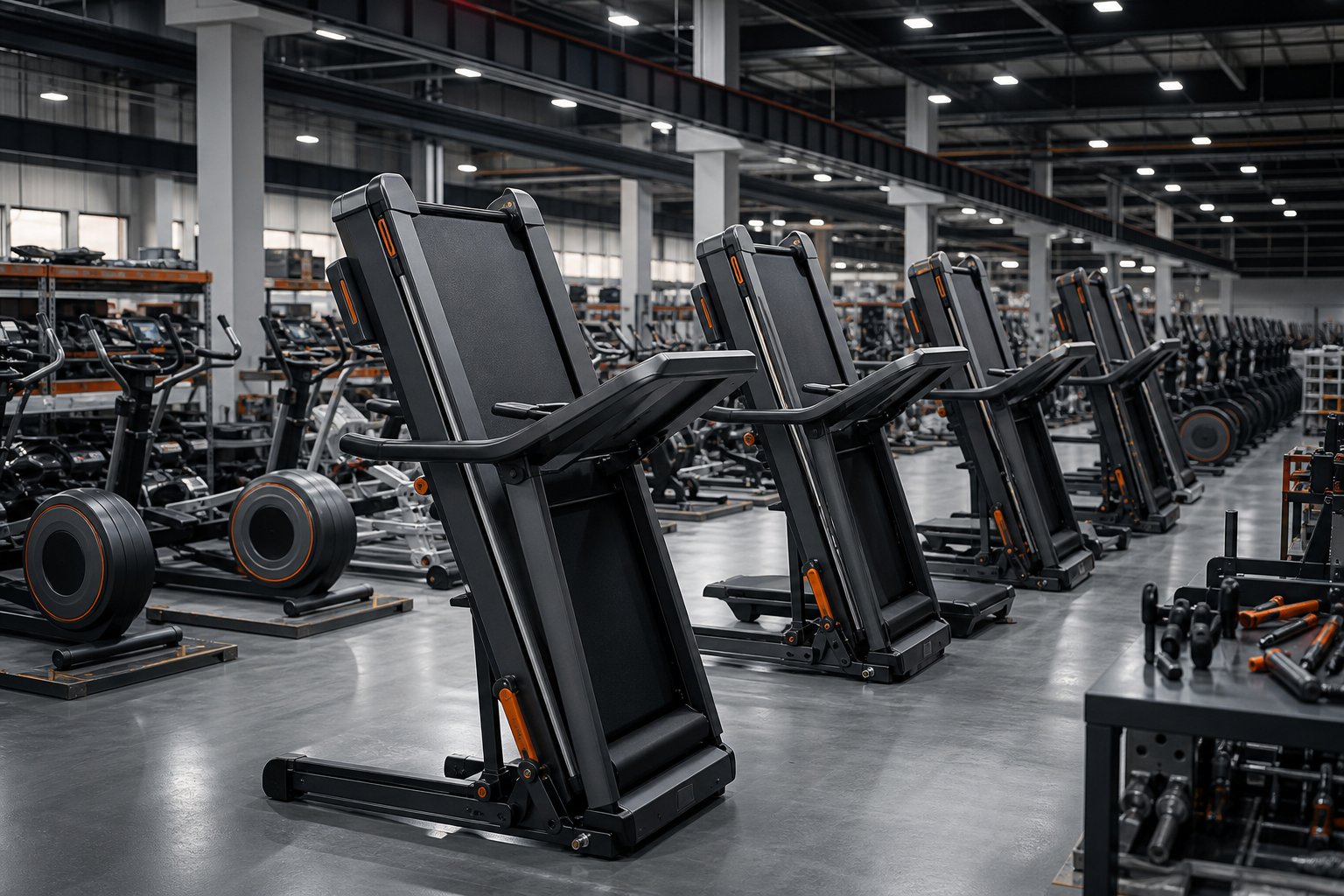
Compare treadmill, rowing-machine and other cardio proposals by motor rating, running surface, resistance system, electrical configuration, noise test conditions and maintenance access. Confirm the actual manufacturer and product documentation for each proposal.
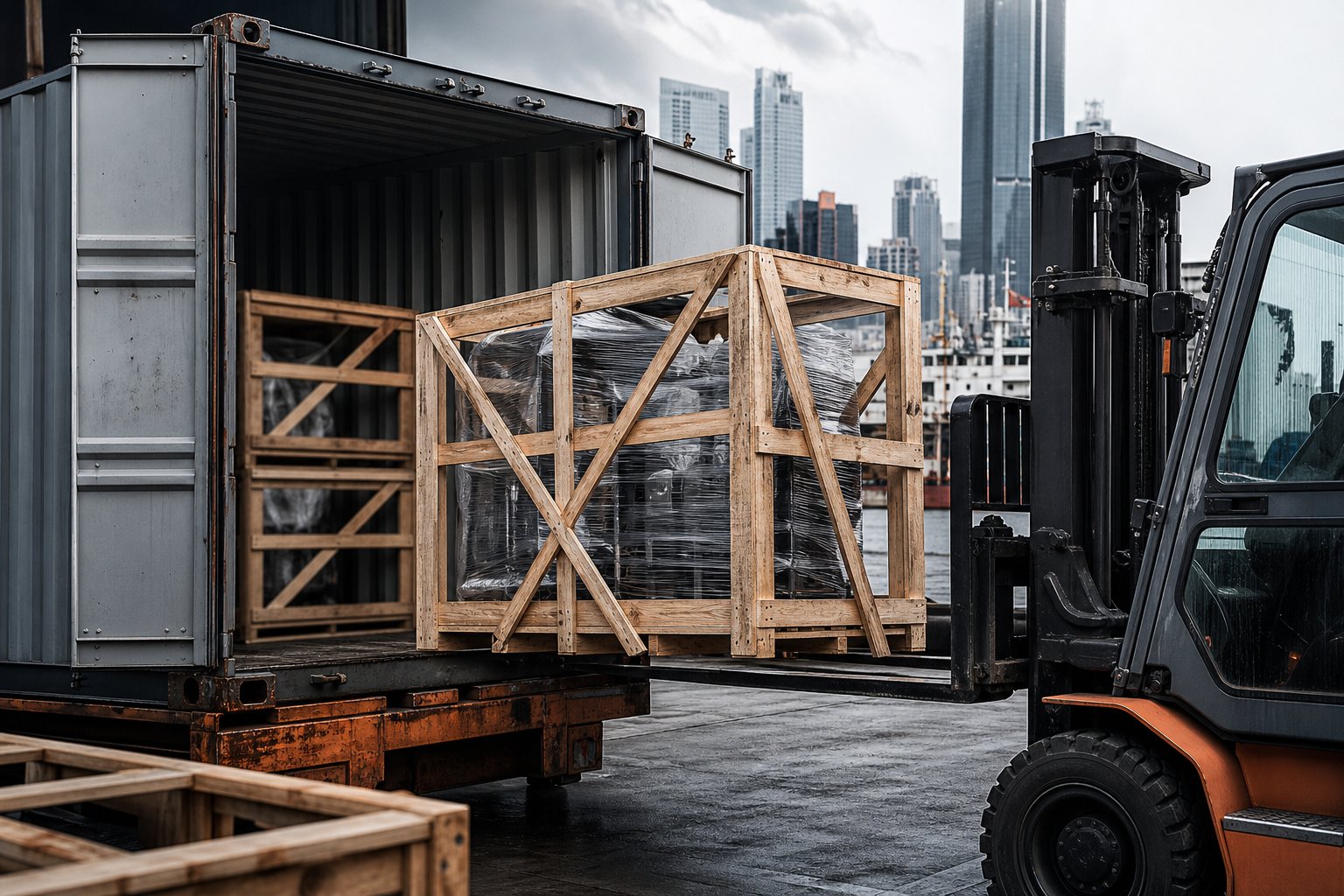
For complete-machine proposals, compare destination voltage, plugs, manuals, labels, assembly, inspection evidence and after-sales arrangements. Check the named supplier and model rather than inferring capability from the reputation of a nearby listed manufacturer.
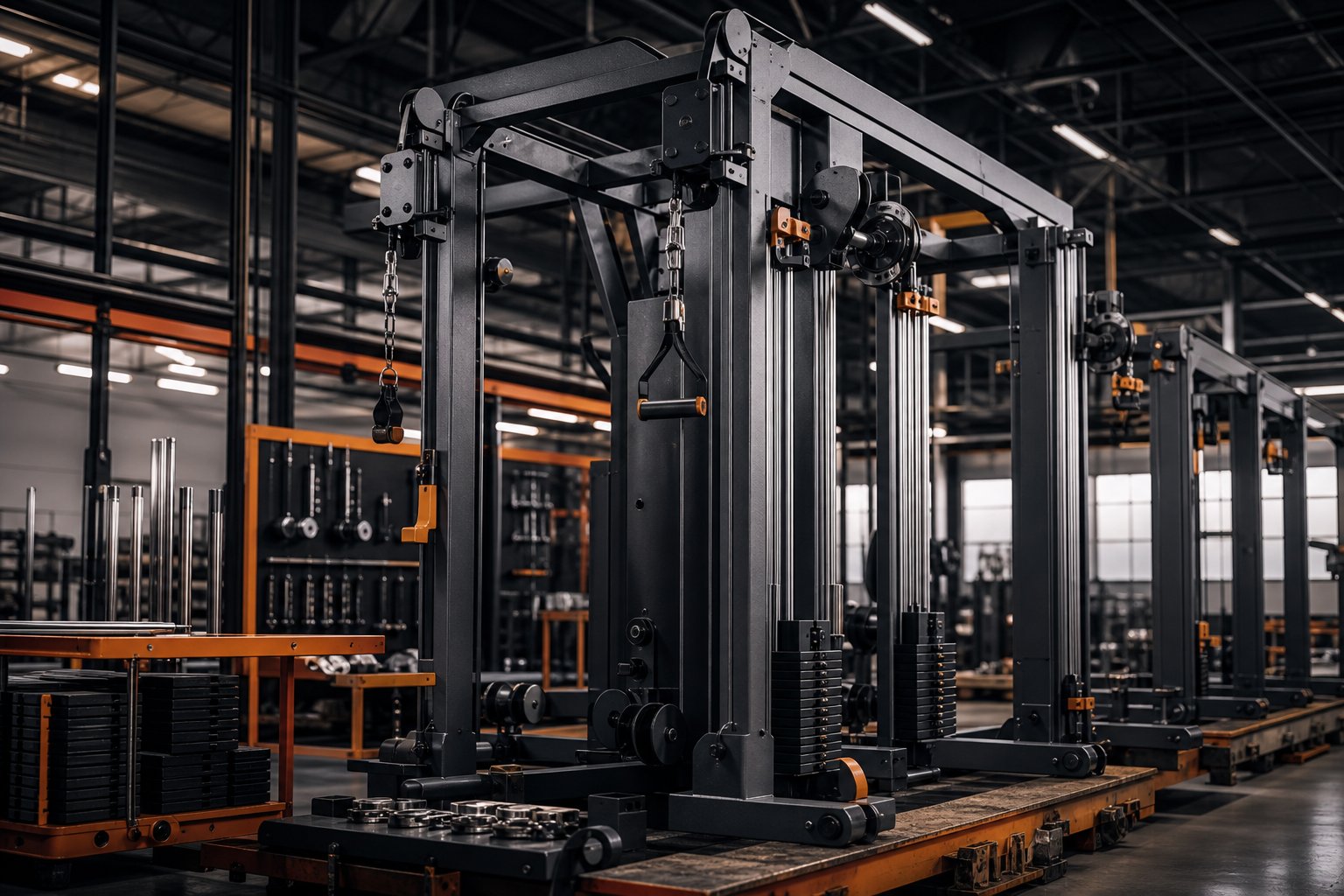
For multi-station, cable and free-weight proposals, compare frame construction, pulley layout, dimensions, floor-space needs and assembly instructions. Request factory identity and relevant export references for the proposed source.
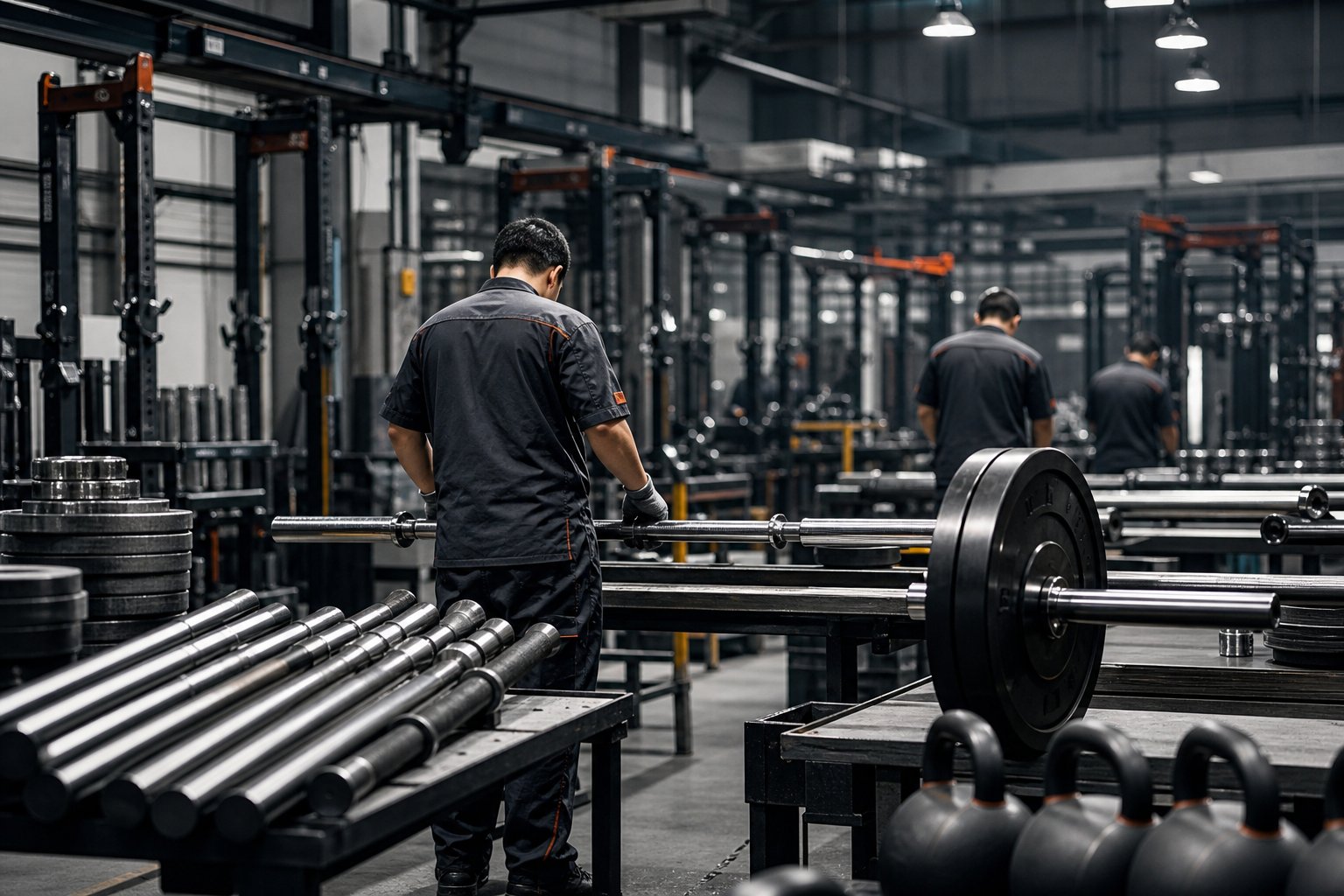
A General Administration of Sport report describes more than 400 sports-goods businesses and output exceeding RMB 11.3 billion in Dingzhou at the end of 2021. Use this dated industry context alongside supplier-specific checks on product range, material, production and inspection.
References: Dingzhou industry context, 2021 figures
Compare home-cardio and small-item proposals for pack size, assembly, user instructions and replenishment. For braces, also evaluate specialist sources such as Yangzhou and Jizhou by intended use, sizing, material and supplier documentation; confirm any medical-device status before making medical claims.
Regional background sources and further procurement checks: Manufacturing & Sourcing Regions.
Use strength and cardio as core-range candidates, compare recovery configurations by space and service needs, and evaluate yoga products and small accessories for assortment breadth. Confirm branding options, order quantity and fulfilment suitability for each SKU instead of assuming one programme fits every category.
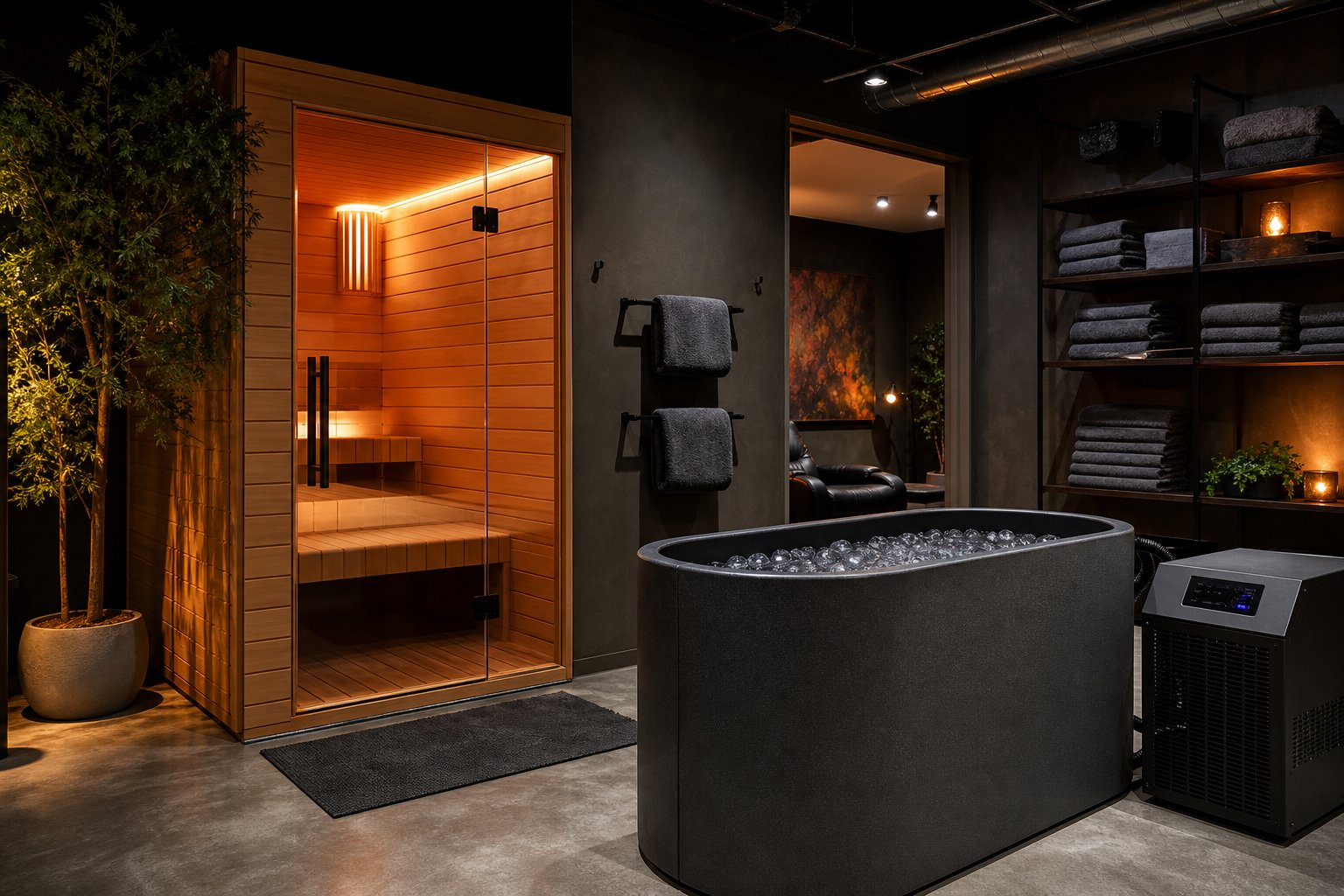
Home Recovery Corner, Studio Recovery Zone and Club Recovery Room are planning concepts to develop by audience, space and budget. Compare massage equipment, rollers, bands, braces, sauna and ice-bath options, including power, water, drainage, assembly, carton dimensions and service access. Confirm the final equipment list and delivery route for each project.
Use these six topics to compare quotations, sample plans and service terms on the same basis. The proposed remedy should identify its owner, evidence and cost before it becomes an order commitment.
Compare gross weight, carton dimensions, handling restrictions and carrier surcharges using the actual route and shipment. For larger units, assess FCL/LCL freight, protective packaging, warehouse handling and final delivery. Agree damage evidence, claims deadlines and replacement costs in writing.
See the FixesRequest MOQ separately for stock items, private-label packing, colour or material changes, and structural tooling. Compare a trial quantity with the intended repeat order, including unit price, sample cost, packaging and inventory exposure.
See the FixesList wear parts such as cables, pulleys, bearings and consoles. Agree the spares pack, part identifiers, supply period, warranty exclusions, dispatch destination and who pays labour and freight. Confirm tooling ownership and access in the contract where relevant.
See the FixesFor cardio, request motor ratings with continuous or peak basis, flywheel mass, belt construction and noise test conditions. For massage equipment, define amplitude, speed, load-related performance, temperature and noise checks. Tie each accepted specification to a named model, method and report.
See the FixesConfirm the full tariff classification, origin, destination, import date and delivery term with the importer or customs broker. Separate product price, freight, duties and other charges in the landed-cost comparison. Determine the applicable product rules and request matching declarations, reports and material records for the selected model.
See the FixesAssess small-parcel and large-item routes separately, including warehouse acceptance, assembly, final delivery and returns. If combining categories in one programme, identify the contracting parties, stock location, service coverage and responsibility at each handover.
See the FixesThe figures below describe public industry markets, not FITORIGIN sales, customers or production capacity. Keep the year and category definition with each figure; research-company forecasts use different scopes and should not be added together.
Sources: CSGF’s 2024 industry report analysis and dated public reporting on Ningjin. Consult the original category definitions before comparing the figures. Further sourcing context: Regional and Export-Market Notes.
Forecast and participation sources: Grand View Research, Fortune Business Insights and the Health & Fitness Association. Follow the linked reports for their dates, definitions and assumptions.
References: CSGF: 2024 export categories and results · Ningjin industry context · GVR: fitness-equipment market, 2026–2033 · Fortune Business Insights: home fitness-equipment market · HFA: 2025 US membership, published April 2026
Request the manufacturer’s identity, quotation basis, any sourcing or service charges, and the cost of consolidation. Compare like-for-like materials, inspection scope, packaging and delivery terms.
Agree the trial quantity, branding scope, samples, packaging and repeat-order conditions for each SKU. Check how price, lead time and stock exposure change when the order grows.
Define incoming, in-process, finished-goods and packaging checks, the inspection owner, acceptance criteria and the reports required before release. Identify any open compliance documents before accepting the quote.
Agree coverage separately for frames, mechanisms, electronics and wear parts, including duration, exclusions, part availability, labour, freight and claims evidence. Record the responsible supplier and service contact.
Compare blind packaging, parcel routes, ocean freight, warehousing, assembly and final delivery where relevant. Confirm stock location, service provider, system-integration scope, costs and dispatch dates before launch.
Use the language menu to open the available homepage for your market. Send model names, units, drawings, destination and contact details with the enquiry, and agree the language required for manuals, labels and commercial documents.
Categories, quantities, target market.
Material and process proposal with tiered pricing.
Printed / structural / color samples.
Sample delivery or video inspection to lock the spec sheet.
Confirm the production route, revision and inspection plan.
Review the agreed inspection results, packaging and release conditions; confirm actual stock and dispatch timing.
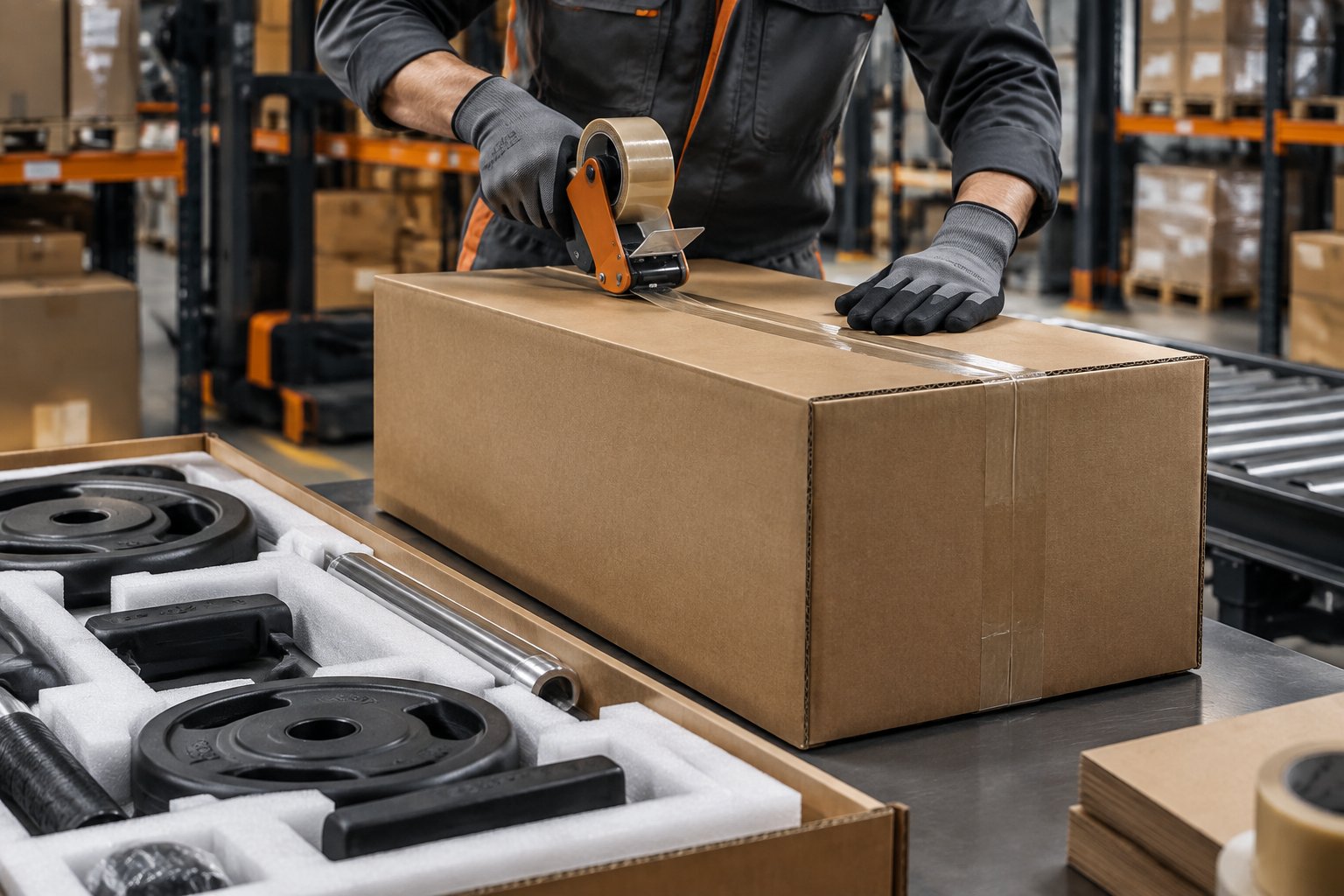
Define which products are stocked, when ownership transfers and who dispatches each order. Agree blind-packaging rules, labelling, order-data exchange, tracking, returns and replacement handling. Compare small-parcel delivery with ocean freight and warehouse fulfilment for larger units; confirm provider coverage and costs before offering the service to customers.
Export data, category structure, and open niches — let the data decide how you line up your product range.
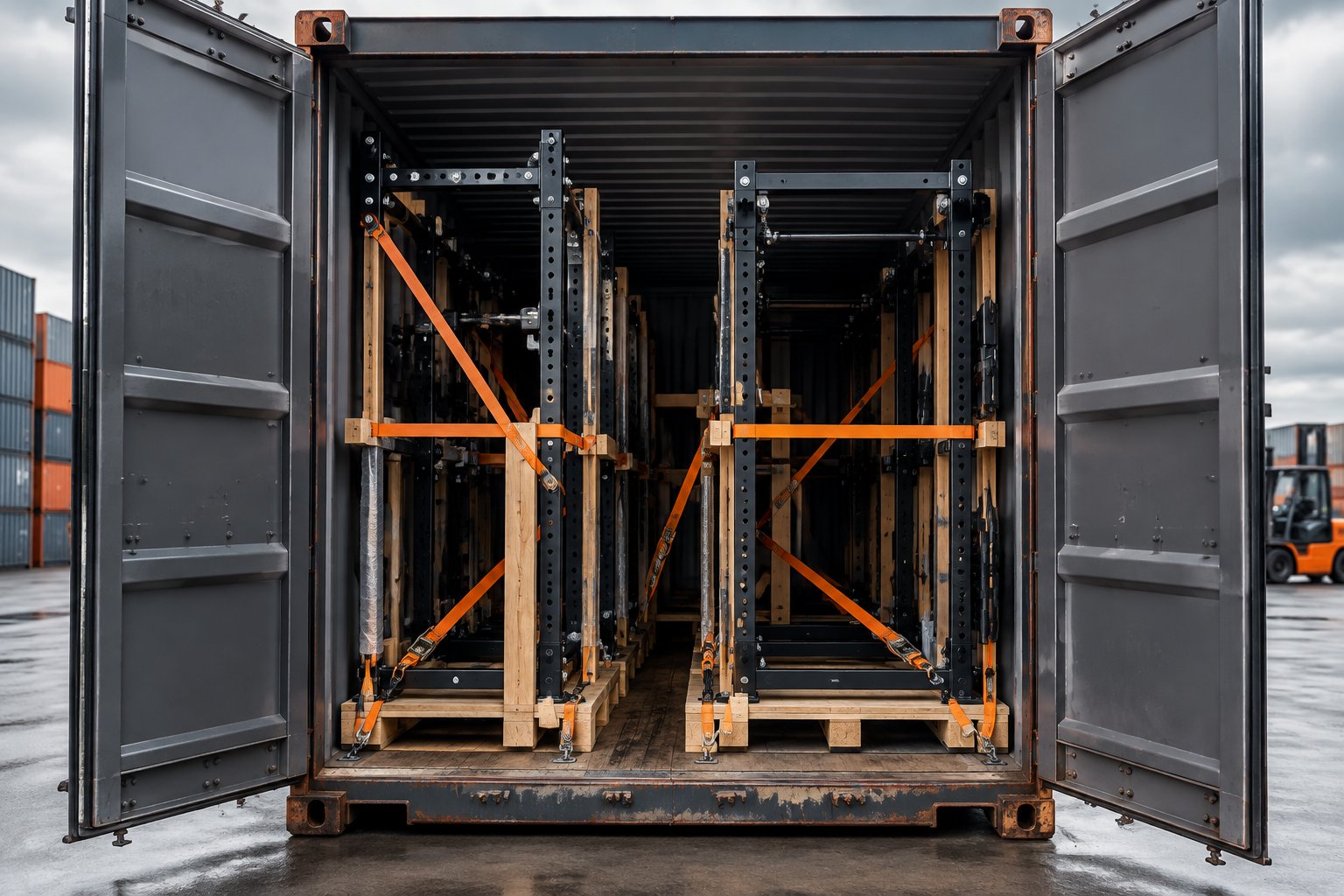
Container loading math, main-leg choices, and overseas warehouse distribution — the logistics essentials for large items.
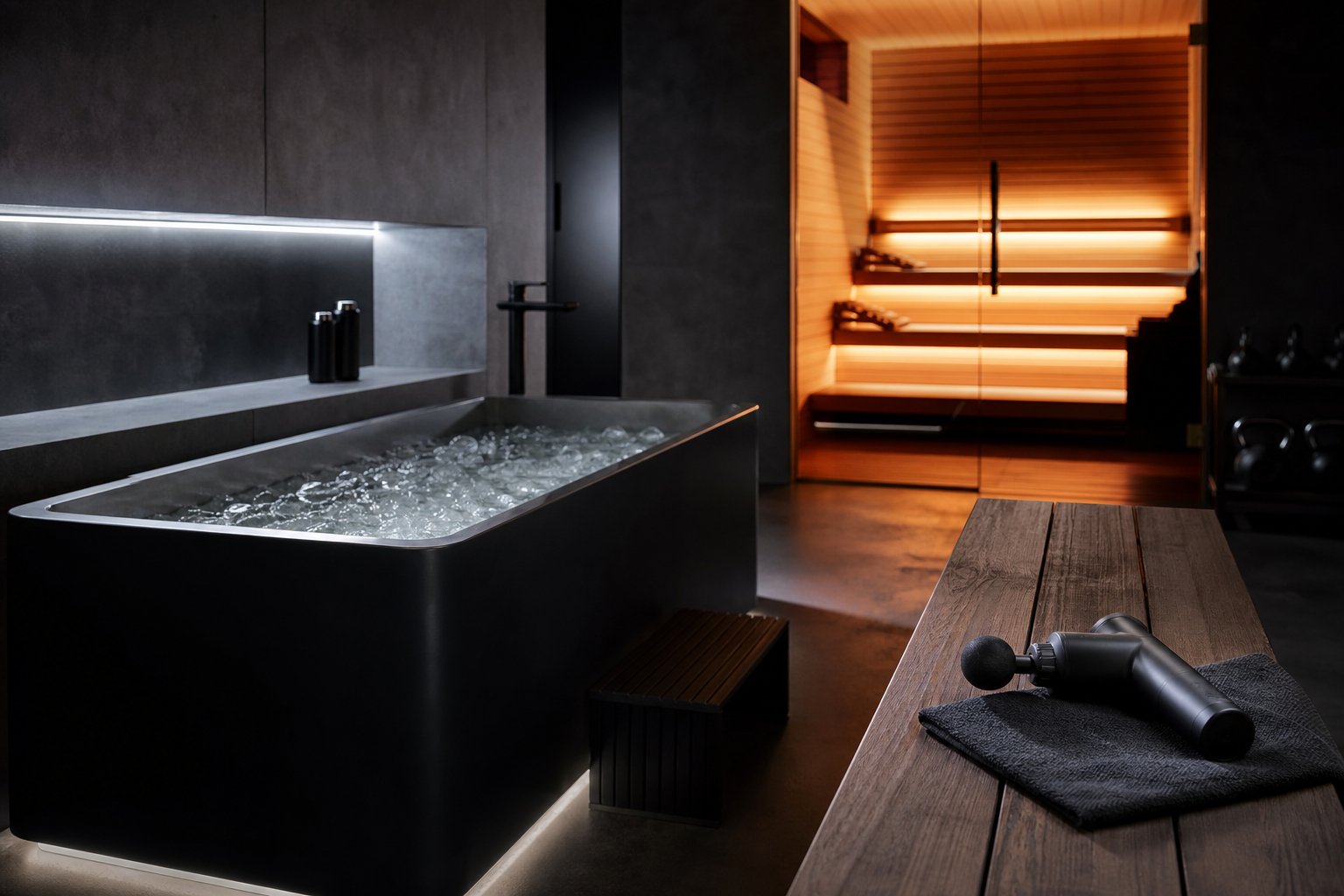
Playbooks and selection windows for ice baths, saunas, and massage guns.
MOQ must be confirmed for each SKU, packaging format and branding scope. Ask separately about stock selection, label or colour changes, and structural or tooling development; compare trial quantities with the intended repeat-order plan.
FITORIGIN coordinates fitness-equipment sourcing enquiries and supply-chain requirements. For a proposed order, request the contracting entity, actual manufacturer, site address, subcontracted operations, audit options and inspection responsibilities. Confirm tooling ownership and delivery-service providers in writing.
Confirm stock status, branding work, sample scope, approval time and production milestones for the actual order. Record the agreed dispatch date, delivery term, route assumptions and responsibilities for delays in the quotation or contract.
Compare FCL or LCL ocean freight, warehouse acceptance, assembly requirements and final delivery for larger units. For smaller items, compare parcel limits and costs. Dropshipping depends on the selected SKU, stock location, destination and service-provider agreement; confirm these before listing a delivery promise.
Start with the product type, intended use and destination. Identify the applicable standards and legislation, then request model-matched reports, declarations, labels, manuals and origin documents from the responsible supplier. ISO 20957 concerns stationary training equipment; CE, RoHS, REACH and other requirements need product-specific scope checks. Confirm import duties separately using the actual classification, origin and import date.
Send the SKU list, order pattern and destinations so the proposed fulfilment arrangement can be assessed. Confirm stock ownership, blind packaging, FBA or other labelling, data exchange, tracking, returns, damage evidence, replacement charges and the responsible service provider before launch.
References: ISO 20957-1:2024 scope · European Commission: CE marking responsibilities · USITC: current Harmonized Tariff Schedule · OEHHA: Proposition 65 resources
Share your categories, quantities, intended use, destination and target retail price range. Include the required ship date and any known technical, packaging or document requirements so the sourcing team can respond to the specific project.
Procurement brief / B2B sourcing
For equipment brands, gyms and distributors specifying load, user safety, assembly and after-sales support.
Include target market, quantity, specification, packaging, compliance files and required ship date so the first reply can be actionable.