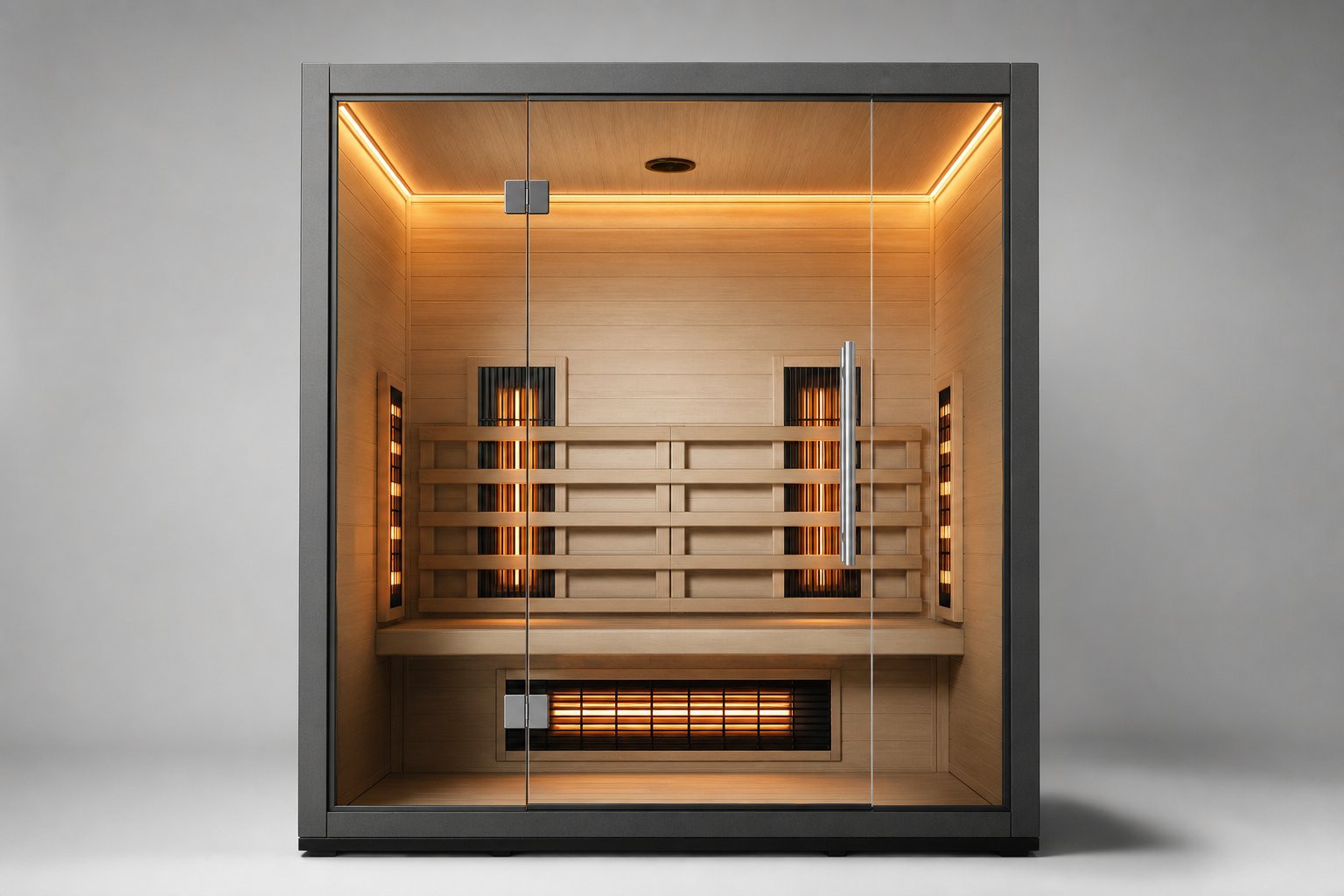
Define the intended users, location, available space, power, water, drainage, ventilation and service access before selecting equipment. Request the actual model configuration, heating or cooling test conditions, safety documentation, installation instructions and delivered-cost proposal. No market-growth ranking, benchmark price or completed inspection is assumed.
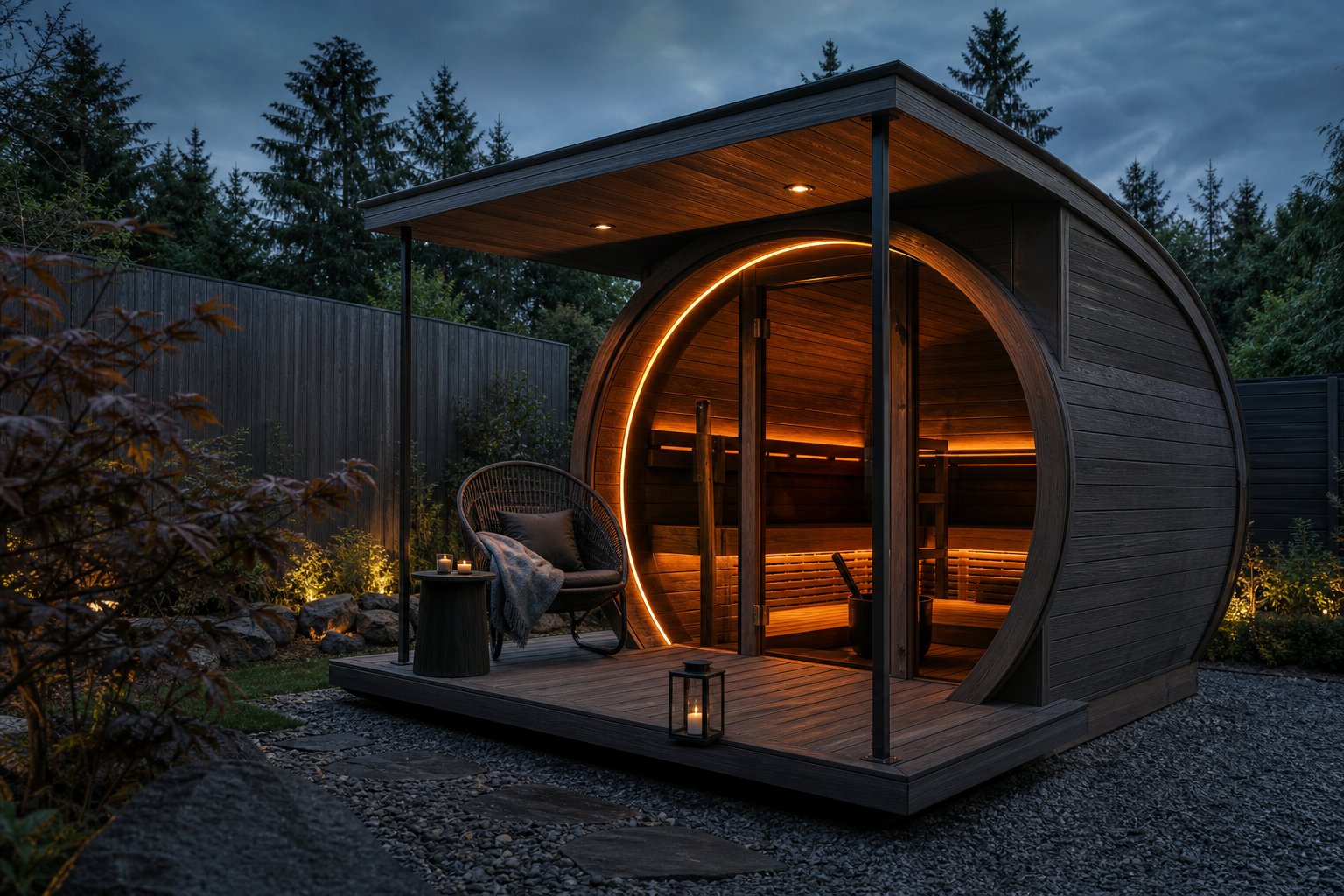
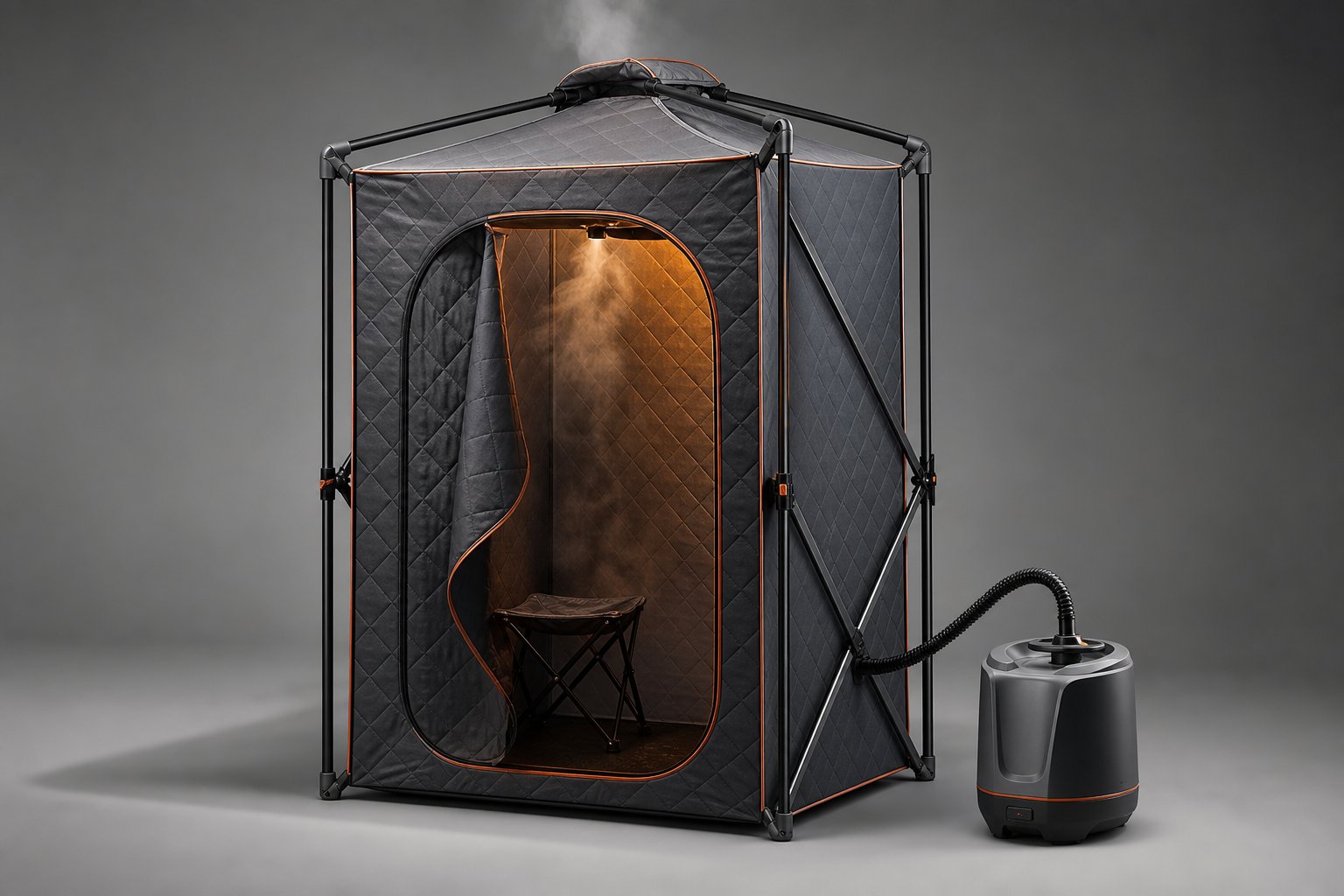
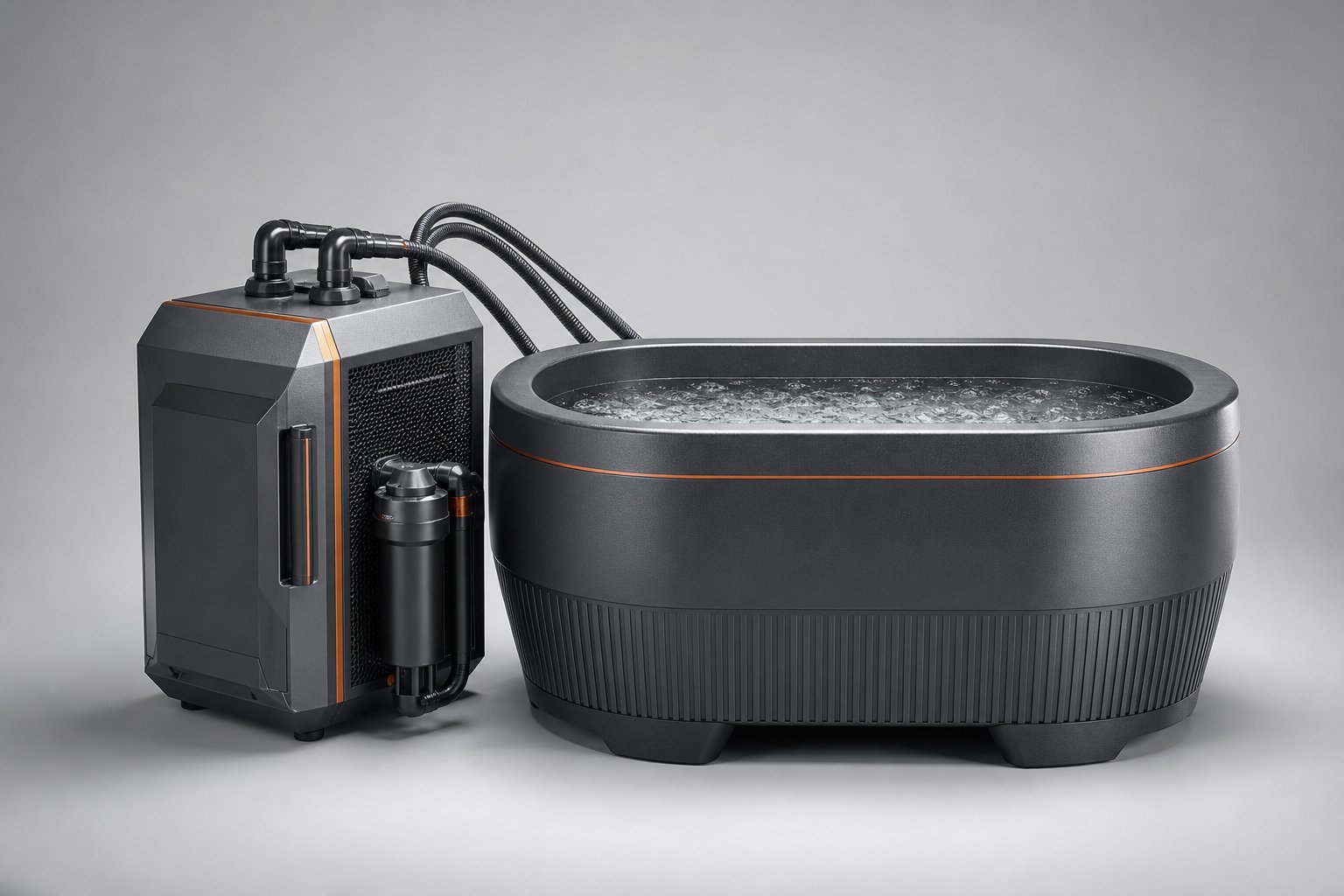
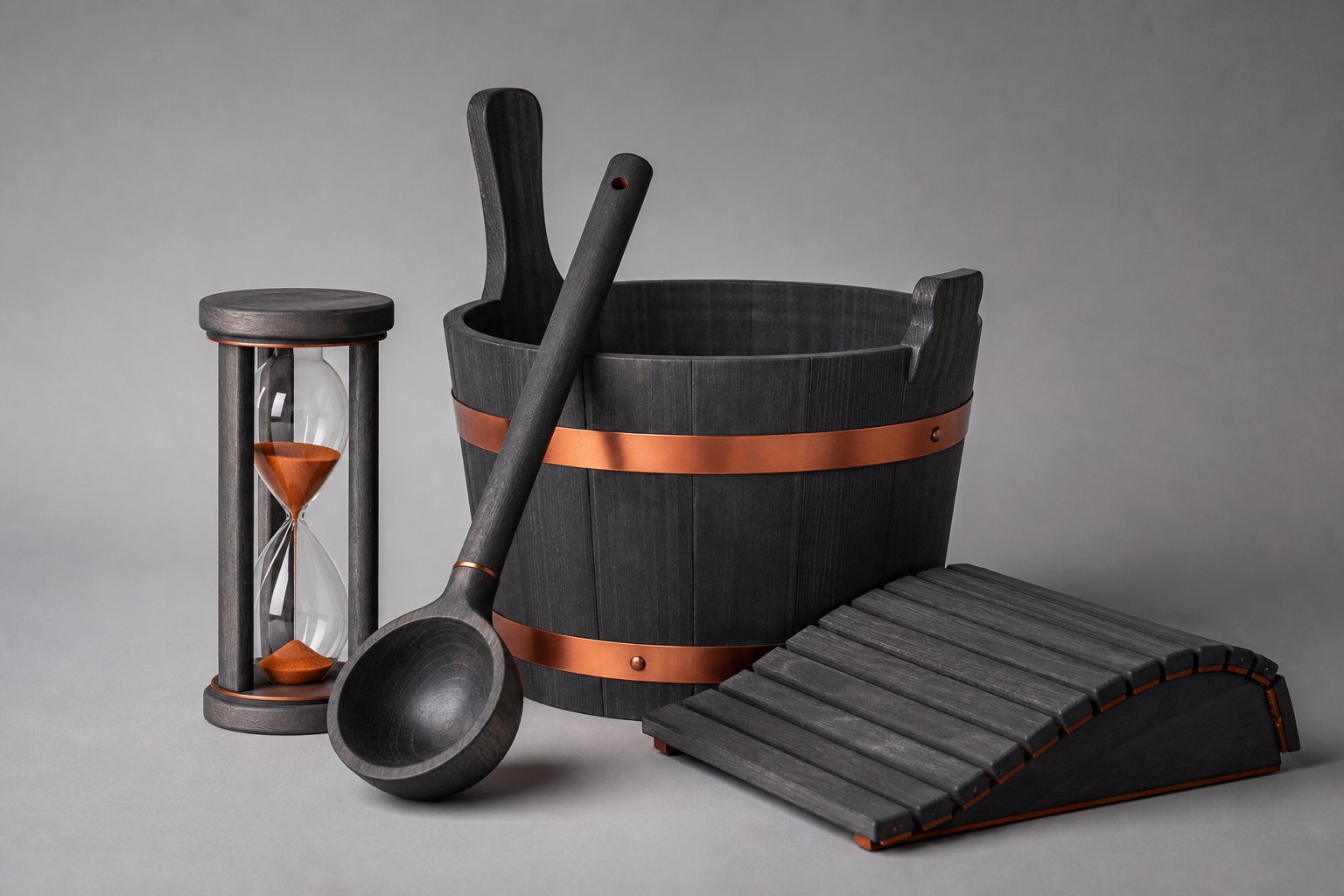
Equipment and production images are generated illustrations. They do not document a named supplier, factory, test or stocked model.
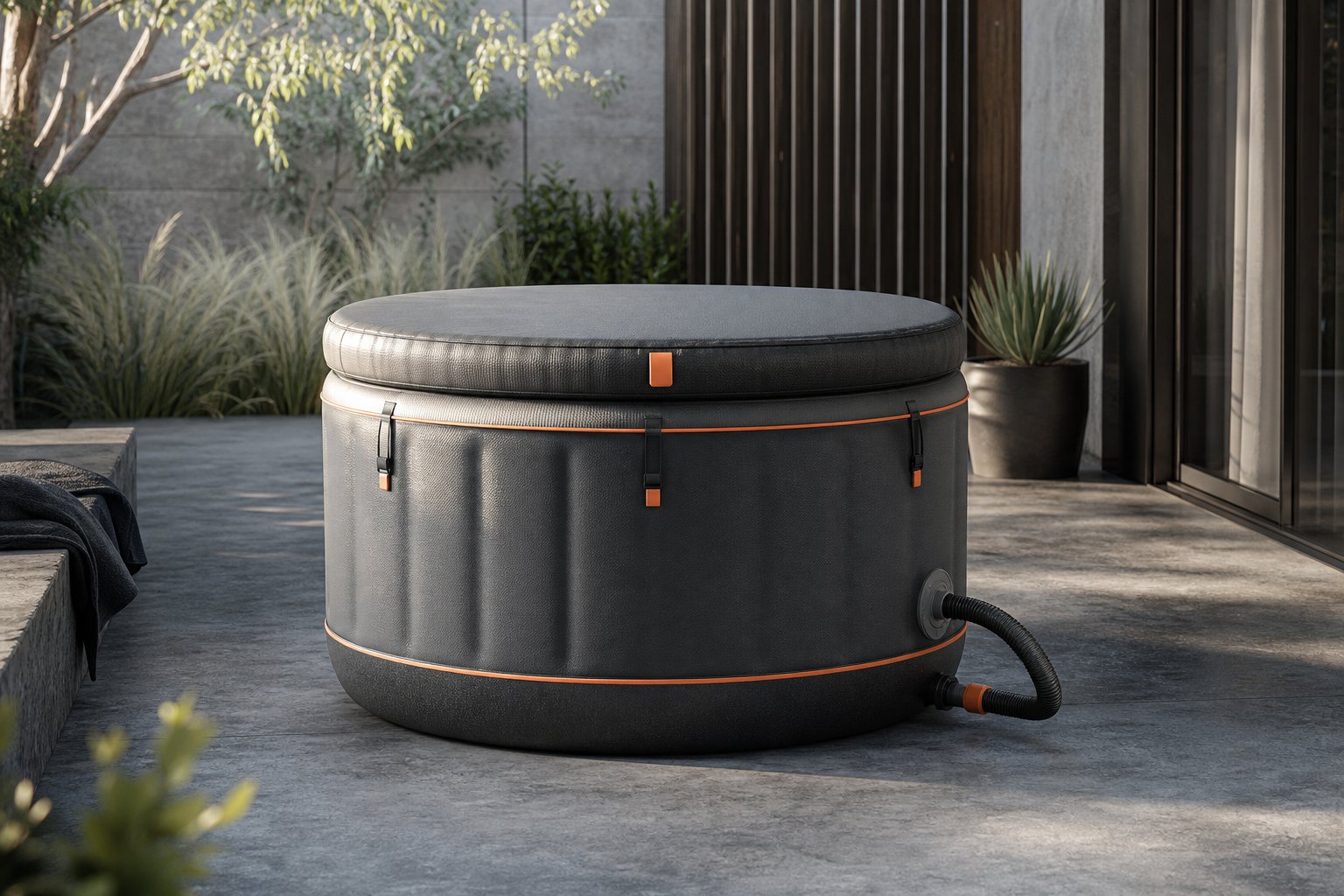
Compare the actual heating or cooling system, structure, materials and controls against the intended site. Specify ambient conditions, starting temperature, water volume where relevant, operating time and measurement method for performance tests. Review electrical and water-related safety evidence for the complete product, without inferring clinical benefits or a universal capability from the category name.
Specify internal and external dimensions, seating, heating system, power, wood, joints and assembly. Confirm the actual components, installer requirements and model instructions rather than assuming a fixed assembly time.
Specify capacity, dimensions, structure, heater type, foundation, weather exposure and installation clearances. Confirm ventilation, local installation requirements, maintenance and the actual delivery arrangement.
Compare generator specification, power, tent materials, heat controls, assembly, user instructions and packed dimensions. Assess transport suitability for the actual product rather than assuming it qualifies as a small parcel.
Compare inflatable and rigid tub construction, dimensions, insulation, filling, drainage, covers and cleaning. Confirm intended use and any interfaces for optional filtration or cooling equipment.
Define tub and chiller compatibility, water volume, filtration, controls, electrical supply and service access. Request cooling results under stated conditions rather than assuming a universal minimum temperature.
Specify buckets, thermometers, headrests and other required accessories by material, dimensions, compatibility and instructions. Review any fragrance or health-related claims and confirm actual set contents.
| Product | Key Parameters | Evidence and test conditions to request |
|---|---|---|
| Far-infrared sauna room | Panel count / heat zones / heat-up | Identify panel layout, controls, power, ambient and starting temperatures, target conditions and the measurement method. Request the actual model’s results. |
| Steam sauna tent | Steam generator capacity / steam-onset time | Define generator capacity, water conditions, ambient temperature, tent configuration, steam-onset and temperature measurement methods. Request complete-product instructions and test evidence. |
| Ice bath chiller | Cooling range / cool-down rate / noise | State water volume, ambient and starting temperatures, target temperature, filtration mode and noise conditions. Include operating limits, drainage and maintenance requirements. |
The table defines questions for comparing proposals, not verified equipment values. Determine applicable legislation for the actual model and destination, and obtain matching declarations, reports, labels and installation instructions. Component ratings do not automatically establish complete-product electrical or water-ingress performance.
Use dated and category-specific demand evidence when planning a range. Broad sauna or cold-plunge market forecasts do not establish demand, profit, clinical suitability or compliance for the chosen equipment.
Assess customer demand, competitors, substantiated claims, site requirements, sample results and total delivered cost for the intended channel. A small benchmark set does not establish market scarcity or a profitable entry window. Compare supplier and service evidence before committing inventory.
Use actual packed dimensions and mass to compare freight, handling, storage, assembly and final delivery. Confirm named providers, site access, installer responsibilities, warranty coverage and spare-part arrangements. No overseas warehouse, reserved parts or assembly service is assumed.
Review wood species, moisture conditioning, joints, transport and storage with the manufacturer for the destination environment. Request material checks, installation and maintenance instructions and the actual warranty exclusions. No construction or conditioning process guarantees freedom from cracking.
Request quantities separately for available models, branding, configuration changes and new development. Compare sample costs, testing, packing volume, production milestones and delivery responsibilities for each equipment type; confirm the actual supplier’s minimum for the defined scope.
Share your categories, quantities, intended use, destination and target retail price range. Include the required ship date and any known technical, packaging or document requirements so the sourcing team can respond to the specific project.