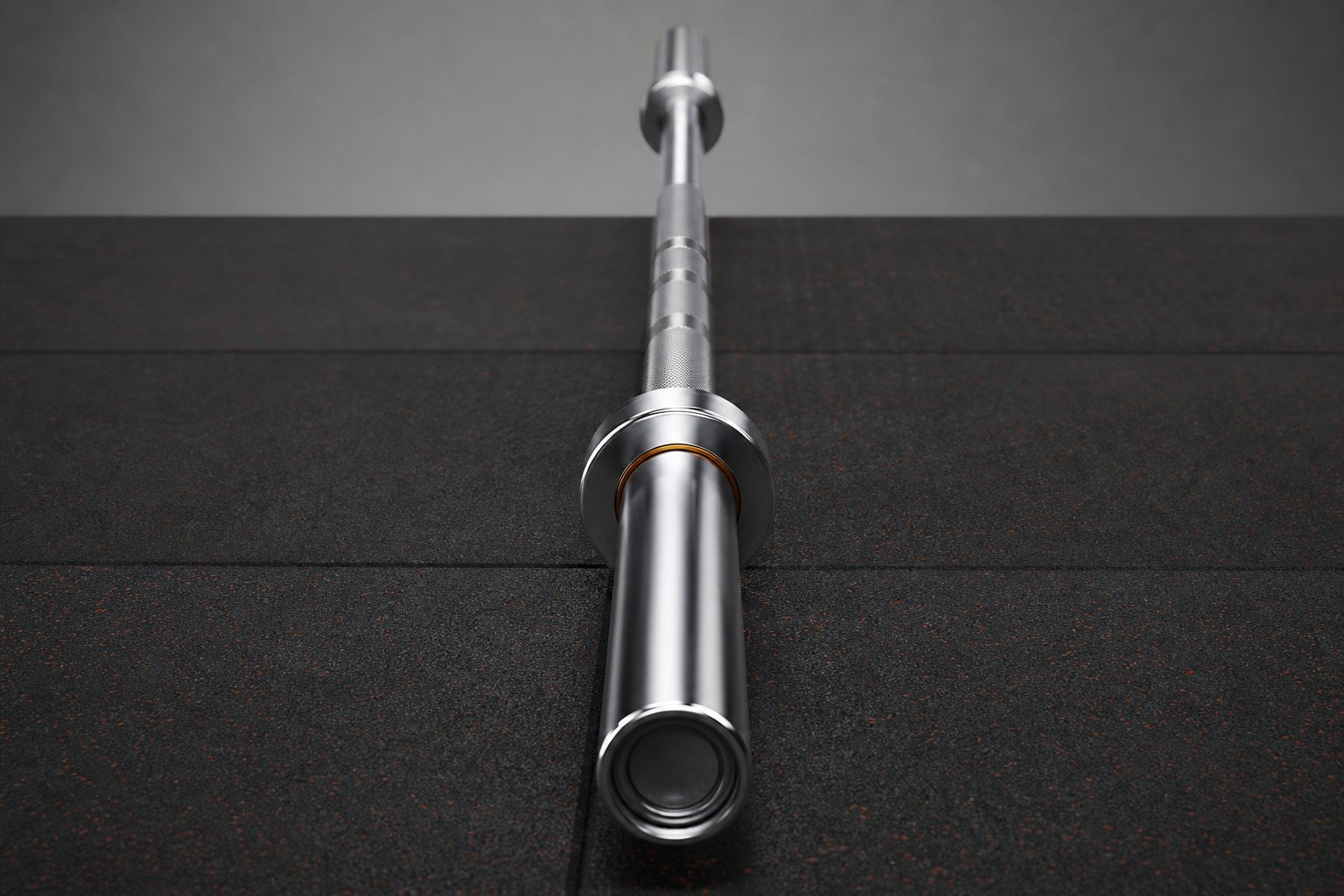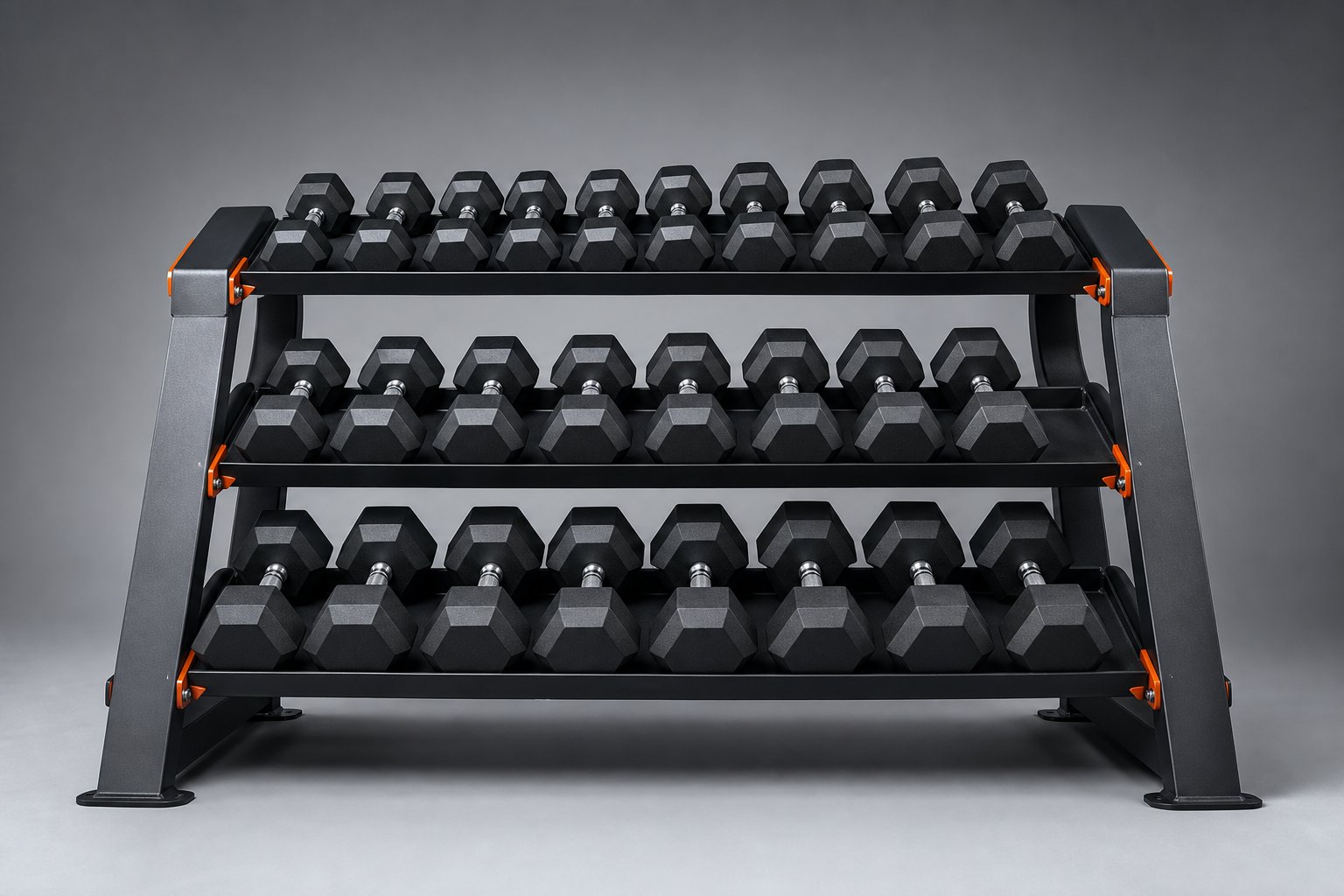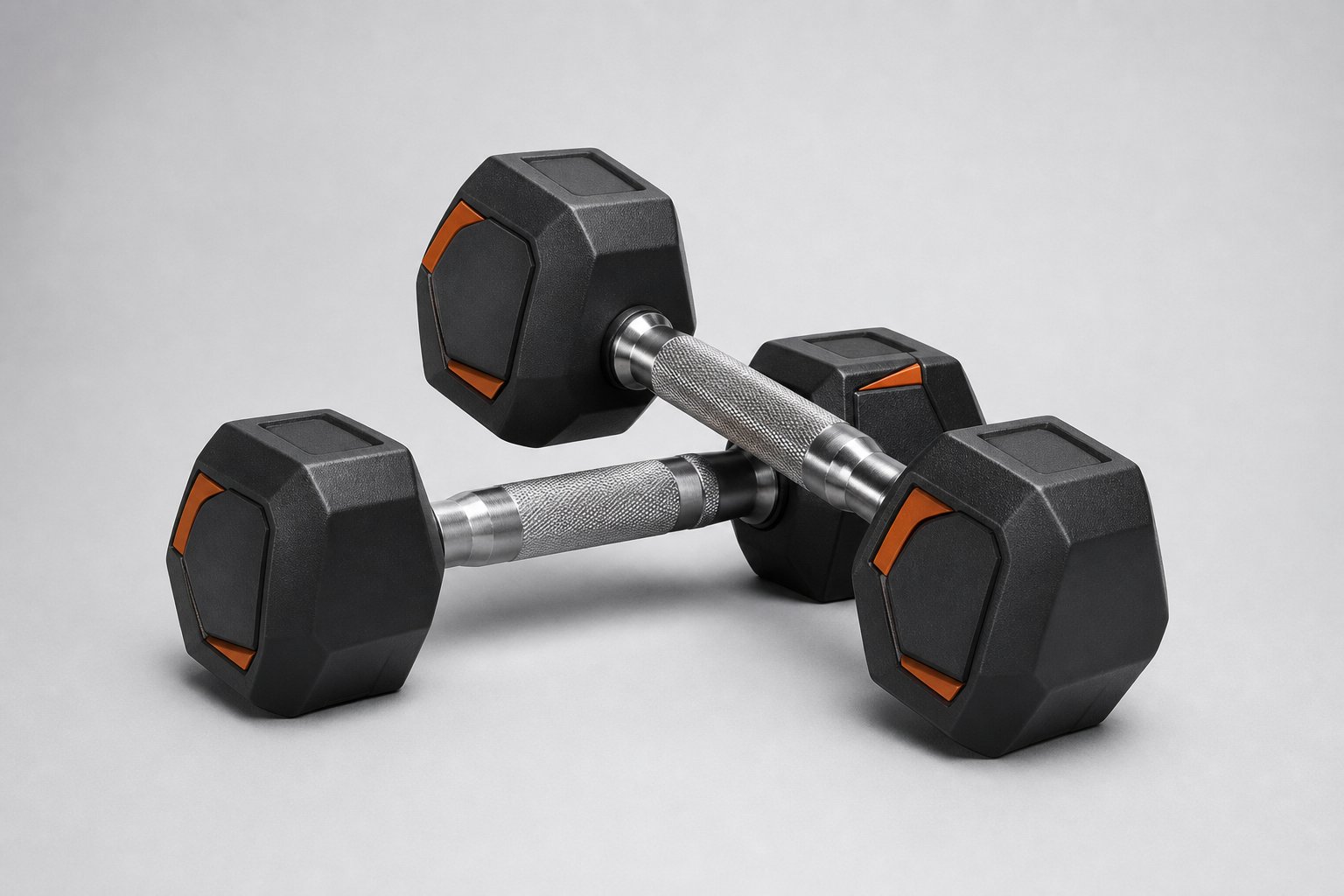
Define the required product type, mass range, increments, handle geometry, compatible bars and finish before comparing suppliers. Ask for the actual material and manufacturing process, measurement methods, tolerances, inspection evidence and packed dimensions. Review sample results and total delivered cost rather than assuming a finish or batch-inspection routine is already available.
Equipment and production images are generated illustrations. They do not document a named supplier, factory, test or stocked model.
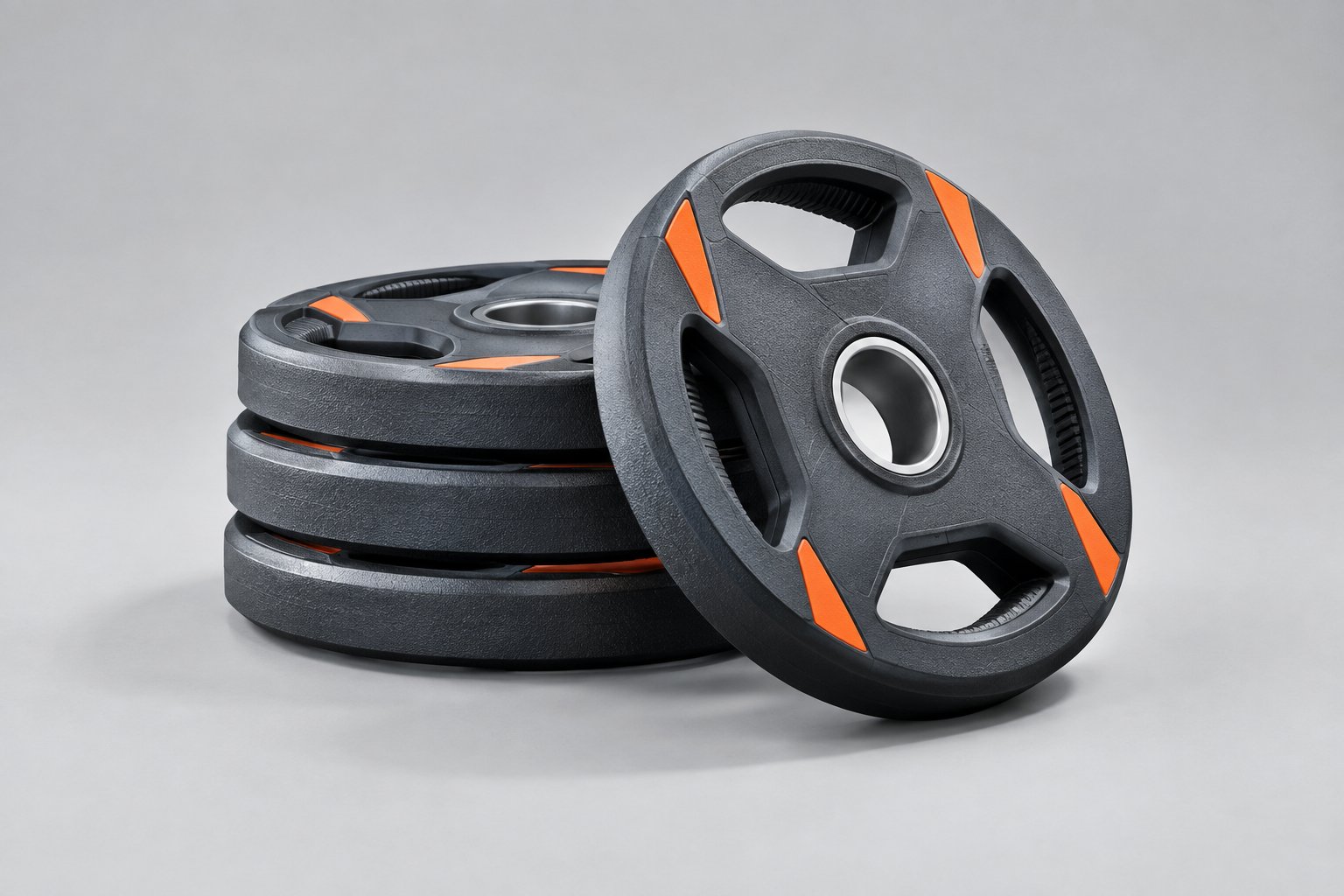
Choose materials and finishes against the actual training environment, handling, floor protection, cleaning and expected use. Compare the supplier’s construction and test evidence rather than assigning one finish to every commercial or home buyer.
Confirm available masses, increments, head shape, handle dimensions and construction. Evaluate material and finish samples and agree the actual SKU range before pricing.
Compare adjustment mechanisms, locking, drop or misuse limitations, mass increments and compatible stands. Request user instructions, inspection criteria and replacement-part information.
Specify mass, body geometry, handle dimensions and finish for the intended training or competition rules. Verify the actual construction and any claimed compliance rather than inferring it from the product name.
Compare core and covering materials, mass increments, diameter, bore dimensions and surface markings. Agree the actual specification and tests for each proposed plate family.
Specify bar length and mass, grip and knurling, sleeve dimensions, rotation, loading limits and the test basis. Confirm straightness, material, maintenance and compatible plates for the named model.
Define the stored products, footprint, stability, load-test conditions and installation requirements. Confirm coating compatibility and colour samples without assuming shared production lines.
| Finish | Noise comparison | Floor-contact assessment | Best for |
|---|---|---|---|
| Chrome-Plated Cast Iron | Compare ringing and metal-contact noise on the intended training platform under a stated set-down or impact procedure. | Inspect plated edges, chips and exposed metal; assess the specified mat or floor under the intended loading and handling. | Evaluate floor protection, handling and use restrictions for the proposed plate and training surface. |
| Rubber-Coated Cast Iron | Compare impact noise at the same mass, height and flooring; record the rubber-cover construction and condition. | Assess cover hardness, abrasion and colour transfer on the intended floor; agree any protective matting. | Compare noise, surface protection and corrosion evidence under stated conditions. |
| Full-Rubber Encased | Compare noise with the same mass and impact conditions, including full-cover thickness, hardness and any hub contact. | Check cover continuity, hub clearance, abrasion and cracking against the intended floor and cleaning regime. | Review impact, ageing and handling tests for the intended training environment. |
| Competition-colour finish — confirm material | Confirm the actual covering and competition-plate construction, then compare impact noise using the same platform and hub-contact conditions. | Inspect plate edges and hub contact, colour transfer and marking durability on the proposed training platform. | Check the actual competition rules or retail specification and supporting measurements. |
Finish names alone do not establish noise, floor protection, corrosion resistance or competition approval. Compare actual construction, test conditions and reports for the proposed SKU; agree retained samples and inspection records before production.
Compare transport quotations using actual packed mass, dimensions, pallet or crate requirements and delivery address. Assess parcel, consolidated freight and warehouse options with handling, customs and final-delivery charges included. Do not assume one route or weight threshold is cheapest for every order.
Ask which marking or branding methods suit the actual material and design. Agree artwork rights, durability, samples, quantities, tooling costs and packaging scope with the proposed manufacturer before placing a branded order.
Set mass and interface tolerances for the intended product and use, then agree measurement methods, sampling, coating checks and acceptance records. Request model- or batch-specific evidence; no particular tolerance grade or completed test is assumed.
Define the contents, target retail price, compatible storage, packaging and user instructions for each bundle. Check packed weight, dimensions, handling and damage risks before comparing freight. Confirm any replacement policy and set-level identification.
Check compatibility, quantities and consolidation requirements for plates and strength equipment.
Compare actual cargo limits, handling and final-delivery arrangements.
Review regional manufacturing context separately from supplier-specific verification.
Share your categories, quantities, intended use, destination and target retail price range. Include the required ship date and any known technical, packaging or document requirements so the sourcing team can respond to the specific project.