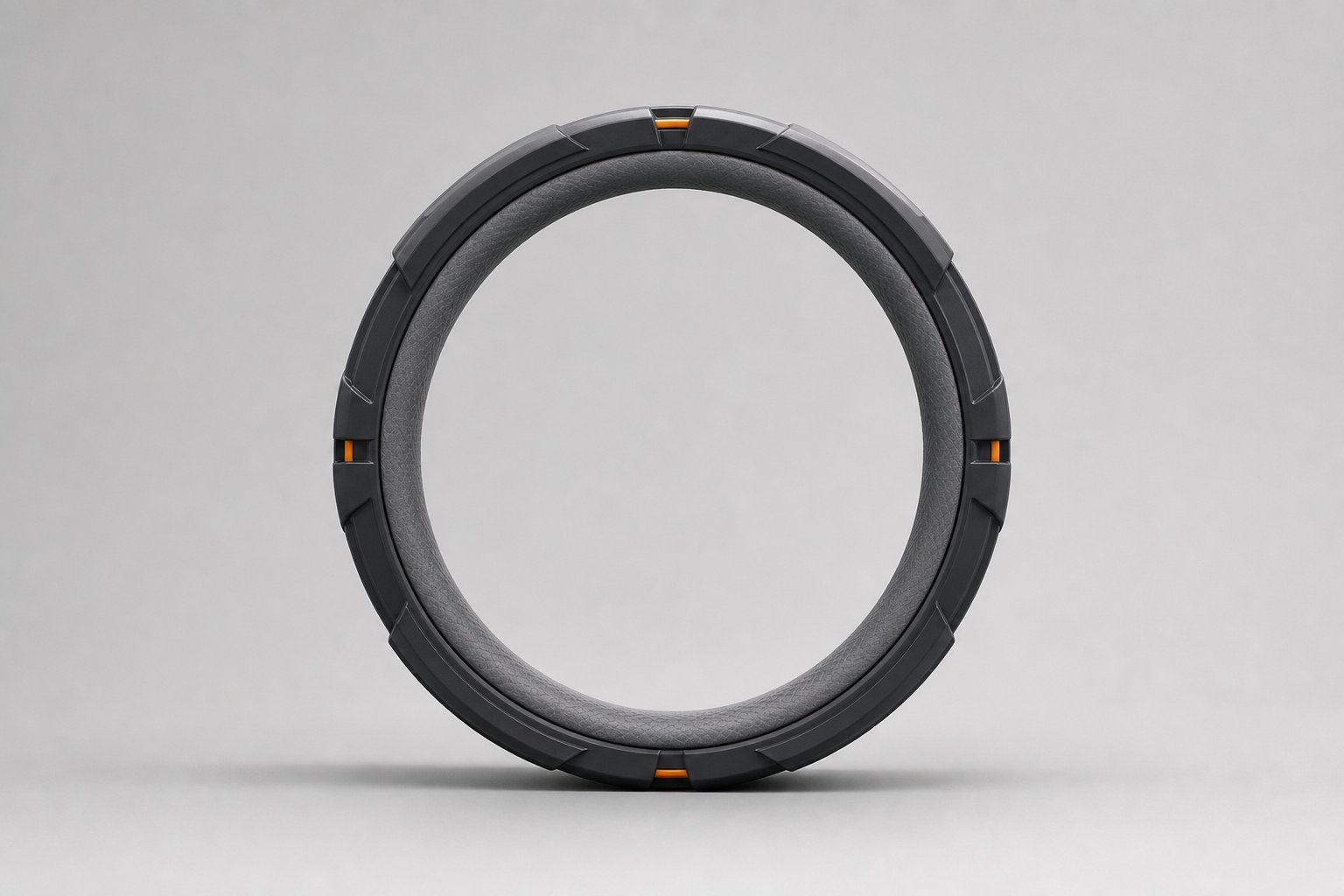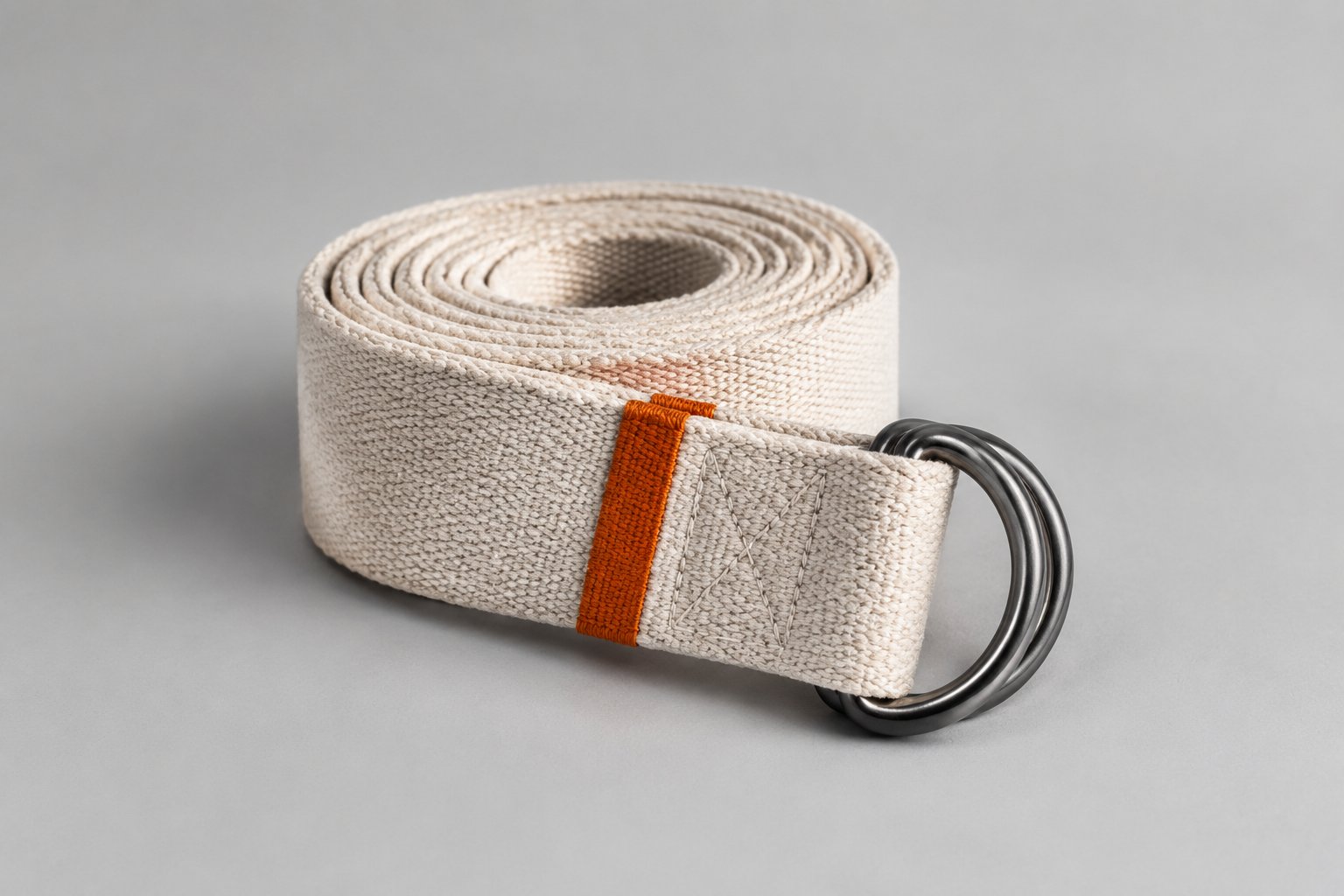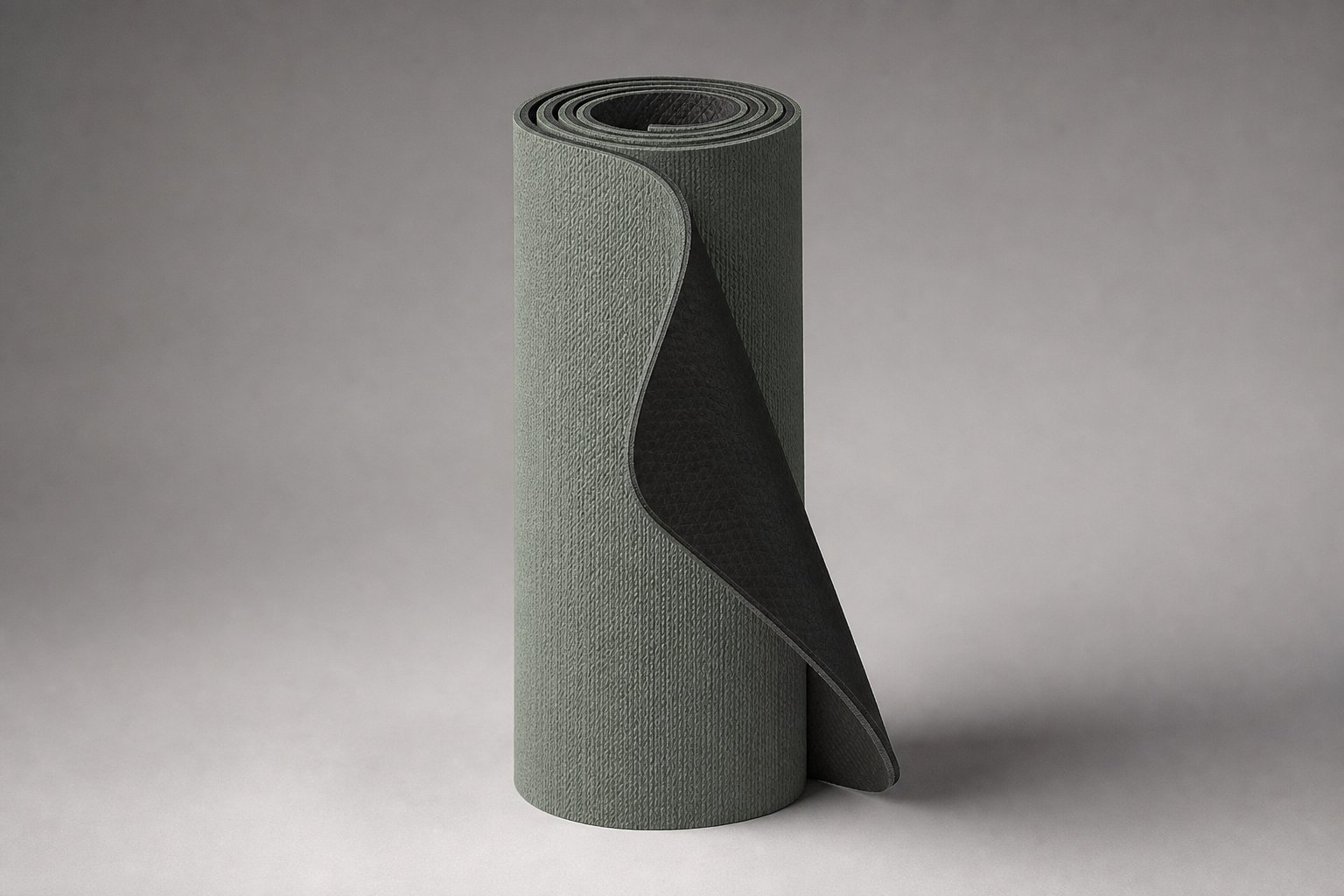
Compare mats, blocks, wheels, straps, rings and accessories against the intended users and sales channel. Define composition, dimensions, surface behaviour, packaging and applicable chemical restrictions. Request reports matching the actual materials and test scope, and verify the identity, production scope and relevant records of each proposed supplier.
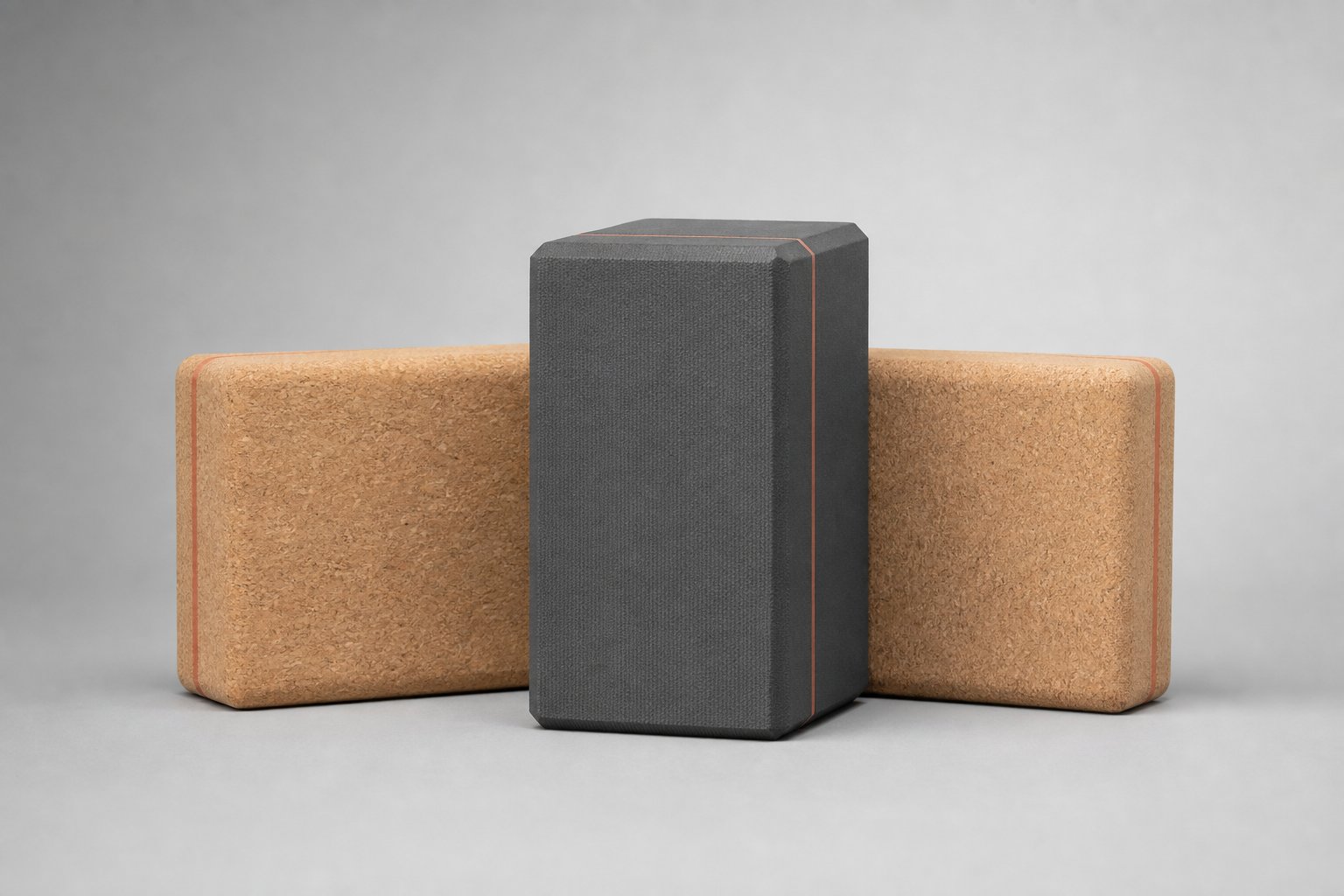
Equipment and production images are generated illustrations. They do not document a named supplier, factory, test or stocked model.
Assess odour, grip, flatness, recovery and durability with clear test conditions and retained samples. Material names and density alone do not establish performance; compare the actual formulation, construction, surface and manufacturing controls for the proposed mat.
Specify composition, length, width, thickness, surface texture, rolling or folding format and acceptance checks. Compare sample performance under the intended use conditions.
Compare foam or cork composition, density, dimensions, edge geometry, surface and intended loads. Confirm set contents, packaging and any required material records.
Define wheel geometry, structure, padding, surface grip and intended use. Request relevant load and durability test conditions, user instructions and model-specific evidence.
Specify strap composition, width, length, buckle material, seams and required strength. Confirm marking feasibility and inspection criteria for the proposed construction.
Compare ring construction, grips, resistance and dimensions. Define the test method for force, deformation and durability, and confirm the actual model’s user instructions.
List the required accessories and confirm dimensions, interfaces, intended use and compatibility with the named equipment. Do not assume items from different suppliers are interchangeable.
| Material | Thickness | Rebound / grip | Best for |
|---|---|---|---|
| TPE (dual-layer) | Specify the required thickness | Define recovery and dry/wet grip test conditions | Assess the actual packed size, mass, storage and target retail use |
| NBR (foam) | Specify the required thickness | Define cushioning, recovery and grip checks | Confirm the intended audience and avoid unsupported medical or rehabilitation claims |
| Natural rubber + microfiber | Specify the required thickness | Request actual recovery and grip evidence | Compare samples against the studio or retailer’s stated requirements |
Determine relevant chemical restrictions for the actual product, composition and destination. Agree analytes, limits, test methods and sample identification with the responsible supplier; no generic 6P, SVHC or PAHs report covers every material. CPSA describes SG marking as voluntary, and applicability must be checked for the particular product rather than assumed for all Japanese-market accessories.
Use dated, category-specific demand evidence when planning a range. A broad yoga or Pilates market forecast does not establish demand, compliance or margins for a selected SKU.
Compare offers on the same specification, sample quality, relevant reports, packaging, quantities and total delivered cost. Request the actual supplier’s evidence and dispatch proposal; avoid treating low price, regional concentration or a report filename as proof of acceptable material or service.
Agree conditioning, packing and storage before assessing flatness, recovery and odour. Review formulation, construction, process controls and sample results with the manufacturer. Define acceptance methods and batch records rather than assuming one density grade or rest process resolves every issue.
Request quantities separately for available stock, marking, packaging, material or colour changes and new development. Include sample and test costs, repeat-order conditions and inventory exposure, and obtain the proposed supplier’s minimum for each defined change scope.
Compare consolidation using the actual carton or pallet dimensions, mass, stacking limits and delivery route for all proposed SKUs. Confirm supplier readiness, packaging protection, warehouse acceptance and freight charges before approving a loading plan.
Compare complementary products while checking the actual suppliers and bundle compatibility.
Review relevant material restrictions, sample identification and actual report scope.
Confirm stock, release work, required identification and the proposed dispatch date.
Share your categories, quantities, intended use, destination and target retail price range. Include the required ship date and any known technical, packaging or document requirements so the sourcing team can respond to the specific project.