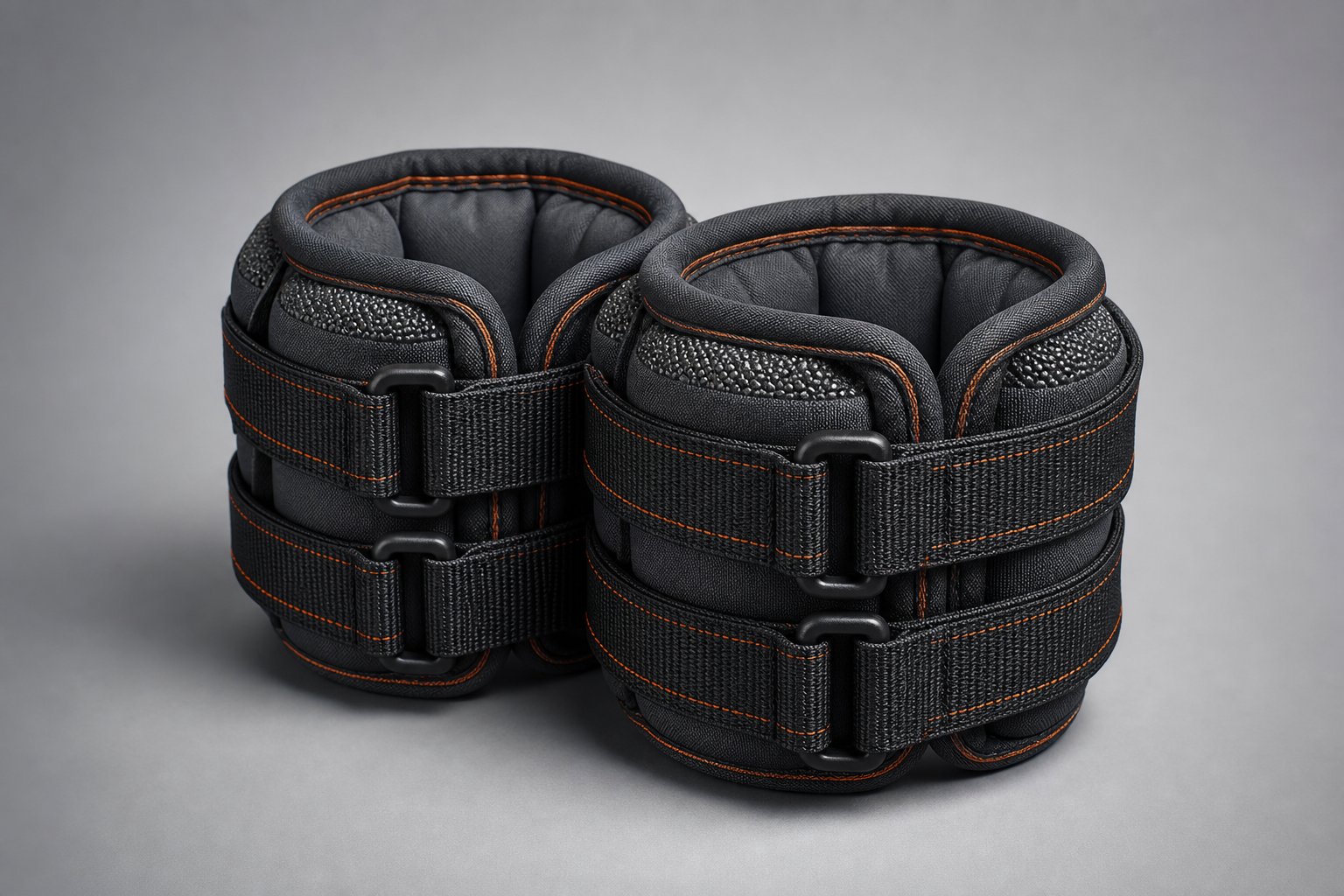
A weighted vest looks like a simple product — fabric, weight, straps — until a returned unit shows up leaking micro-beads across a customer's living room floor, or a buyer complains that a supposedly 20kg vest sits crooked and chafes at the shoulders after ten minutes of running. Weighted vests and sandbags are a deceptively demanding category to source well, because the specs that decide whether a unit survives a full training cycle are hidden inside the fill and the stitching, not visible in a product photo. This guide covers the four specs worth verifying before a first order: fill material, load distribution, strap and buckle hardware, and seam construction, so your catalog earns repeat buyers instead of one-star reviews about torn seams.
Fill material: the choice that decides weight, cost and failure mode
Sand is the cheapest fill by weight and delivers the highest density per liter, which is why budget sandbags and some entry vests use it, but sand shifts inside a poorly sewn compartment and creates uneven, lumpy load distribution that buyers notice within the first few sessions. Steel shot and micro-bead fills cost more per kilogram but pack more evenly into thin panels, which is why serious running vests use them almost exclusively — even distribution matters more for a vest worn close to the body during dynamic movement than for a sandbag set down on the floor for static carries. Adjustable steel plate vests sit at the top of the category: individual plates slot into pockets so a buyer can dial exact weight in small increments, at a materially higher unit cost that suits premium and studio-tier catalogs rather than entry SKUs.
Weight distribution: comfort is an engineering problem, not a marketing claim
A vest that concentrates all its weight in a single rear pouch will ride up, twist and chafe within minutes of running or jumping, regardless of how well the fill material performs in isolation. Serious vest construction distributes weight across multiple front and back panels close to the body's center of mass, which is what keeps a loaded vest from bouncing or shifting during dynamic movement. Ask any supplier how many discrete weight pockets a vest uses and where they sit relative to the shoulder line and spine — a two-pocket vest and a twelve-pocket vest at the same total weight are functionally different products, and buyers training seriously will notice the difference within their first session.
Strap and buckle hardware: the failure point under daily cinching
Straps get tightened and loosened every single session, which makes buckle hardware a wear item rather than a one-time spec check. Lightweight plastic clips borrowed from daypack manufacturing crack under the repeated tension cycles a fitness vest sees, typically within a few months of regular use — metal cam buckles or reinforced nylon buckles rated for load-bearing repeated use hold up dramatically longer and are worth the marginal cost difference on any vest positioned above entry price point. Shoulder straps should also use padded, wide webbing rather than narrow nylon strapping, since narrow straps concentrate pressure and are a top cause of chafing complaints in vest reviews.
Seam construction and the leak-proofing question
Bead and shot fills only stay contained if seams are properly reinforced, and this is where cost-reduced manufacturing shows up fastest: single-stitched seams at high-stress load points split open within weeks of regular use, especially at the corners of weight pockets where tension concentrates during movement. Double or triple-stitched seams, ideally with a bar-tack reinforcement at pocket corners, are the single most predictive spec for whether a vest survives its intended service life. For sand or bead-filled products, an inner liner bag separate from the outer fabric shell adds a second layer of leak protection that is cheap to manufacture and dramatically reduces the "sand everywhere" complaint that drives return volume in this category.
Sizing and adjustability across body types
A vest sized for one torso length and chest circumference does not fit the range of buyers a catalog needs to serve, and an ill-fitting vest — regardless of fill quality — will underperform on comfort. Adjustable side straps and shoulder straps that accommodate a meaningful chest-circumference range (rather than a single fixed size) reduce return volume from buyers who ordered based on a generic size label rather than actual measurements, and publishing a simple chest-circumference chart alongside the listing does more to prevent size-driven returns than any amount of fill-quality improvement.
| Fill type | Density | Distribution | Relative cost |
|---|---|---|---|
| Sand | High | Prone to shifting | Low |
| Steel shot / micro-bead | High | Even in thin panels | Mid |
| Adjustable steel plates | Highest | Precise, modular | High |
Conclusion
A weighted vest catalog that specifies fill type, pocket count and placement, buckle hardware grade and seam reinforcement will outsell one that only lists total weight, because the buyers who train seriously with loaded carries know exactly which of those specs determines whether a vest survives their training block. Send us your target weight range and price tier and we will match the fill, distribution and hardware spec accordingly.
Frequently asked questions
Why do some weighted vests feel uneven even at the correct total weight? Weight distribution across multiple panels matters more than total weight alone; a vest with few, poorly placed pockets will feel lumpy and shift during movement even at a correct overall weight.
What causes weighted vests to leak fill material? Single-stitched seams at high-stress points, especially pocket corners, are the most common failure point; double or triple stitching with bar-tack reinforcement prevents this.
Are steel plate vests worth the higher price over sand-filled vests? For buyers wanting precise, adjustable weight and the most even distribution, yes; sand remains a lower-cost option for buyers prioritizing price over fine adjustability.