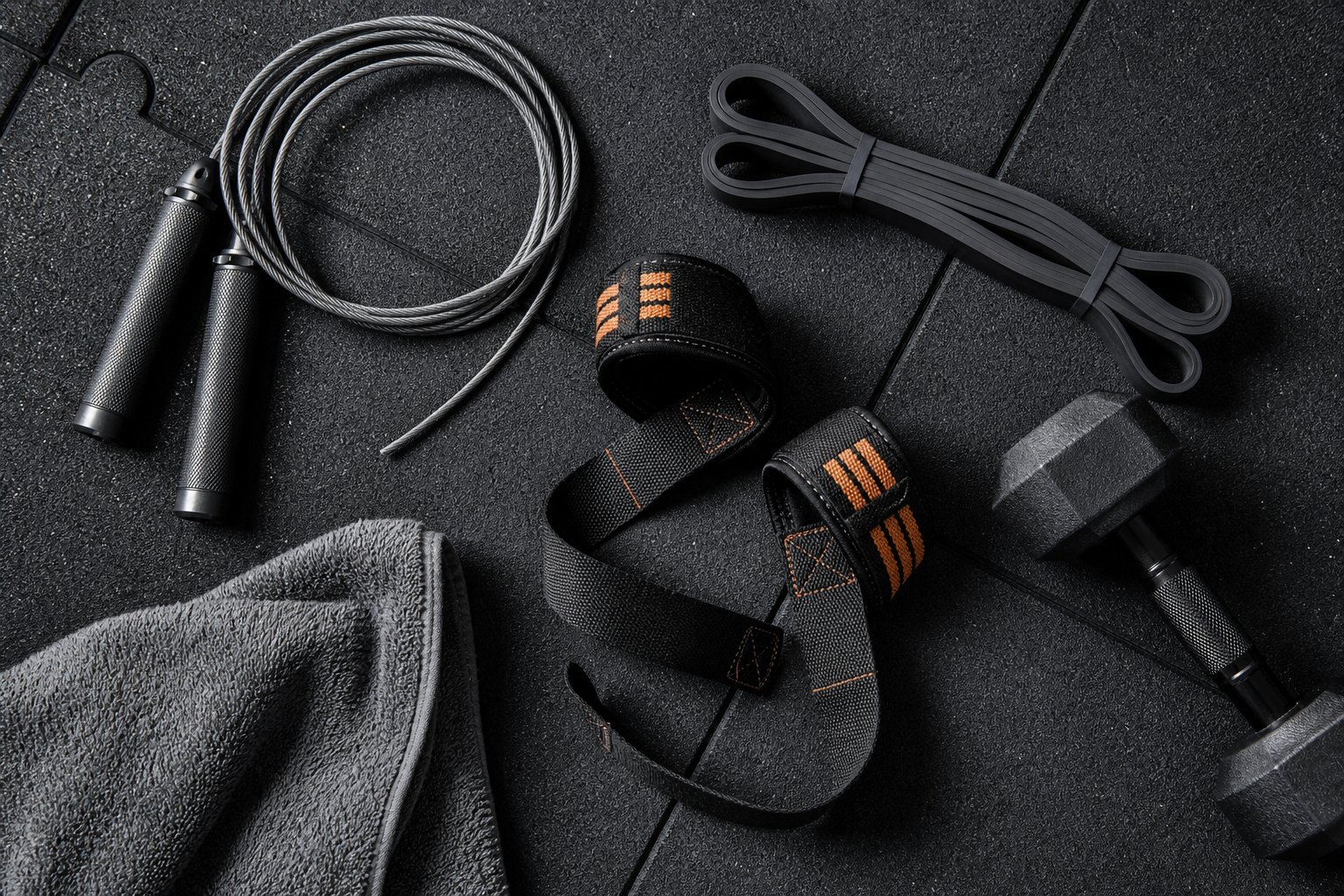
The small-gear lane of fitness e-commerce — resistance bands, grip tools, novelty training accessories — sits in the crosshairs of a peculiar American litigation machine: Schedule A cases, where dozens or hundreds of online sellers are sued together for alleged intellectual-property infringement, their listings frozen and payment funds seized before most of them even know they have been sued. A single design-patent or trademark claim against a factory's popular item can sweep up every seller who listed it. Sellers who understand what triggers these cases build supplier-side defenses; sellers who discover the topic via a frozen payout learn it the expensive way. This guide explains the mechanism and the checklist.
The mechanism: sealed complaints and frozen funds
Schedule A litigation takes its name from the exhibit — schedule A — that lists dozens to hundreds of seller aliases attached to a single complaint. Filed under seal so targets cannot move their funds, the complaints obtain temporary restraining orders and asset-restraint orders that freeze marketplace accounts, listings and payment balances across platforms simultaneously. Sellers learn of the case from the frozen account, the platform notice, or the service of papers by email — often weeks after filing. The model exists because it works for plaintiffs: statutory trademark damages and settlement economics scale with defendant count. For an unprepared seller, the first practical question is not the merits but the frozen cash flow.
What actually triggers these cases in fitness gear
The recurring triggers in small fitness gear are design and branding: resistance bands with a distinctive grip pattern belonging to a registered design; training accessories using a mark or term another company trademarked; product photography or listing copy copied from a rights holder's page; and — the most common seller-side blind spot — factory items whose appearance copies a competitor's registered design, where every seller who listed the item gets swept in. The seller's knowledge is irrelevant to being named; what matters is that the listed product resembles a registered right. This is why the defense lives in product selection, not in litigation conduct.
The supplier conversation that prevents the docket
The prevention conversation with the factory is specific, not general: does this design or any element of it trace to another company's registered design or trademark; who owns the rights to the appearance; will you warrant non-infringement in the purchase terms and back it in writing. Factories fall into two honest camps — those who can name the design's provenance and warrant it, and those who deflect, and the deflection is itself the signal. A supplier IP warranty clause in purchase terms does not guarantee immunity, but it creates recourse, shifts the factory's incentives at design stage, and documents the seller's diligence if a case arrives anyway.
The pre-listing search habit
Before listing a distinctive-design item, a seller or their agent should search the visible databases: USPTO trademarks and design patents, EU registers for European sales, and a reverse image pass against marketplace listings to see whose product the design resembles. The search is imperfect — design-patent searches are genuinely difficult for non-specialists — but it catches the low-hanging cases: the branded term in the title, the logo-bearing variant, the obvious copy of a bestseller's signature element. Where a search raises flags, the economic answer is a design change or a different supplier, not a lawyer's opinion on a marginal case; the docket punishes marginal cases disproportionately.
Listing hygiene: words and images that invite or repel
Beyond the product itself, listing content carries its own IP exposure: brand names used in titles or keywords (compatibility phrasing has rules; infringement phrasing has consequences), images copied from rights holders, and copy lifted from competitor pages. The hygiene is mechanical: original or licensed images, brand references only where the compatibility rules are followed, and copy written from the product rather than the competitor's listing. None of this prevents a design-patent claim against the product's appearance, but it removes the category of cases where sellers are named for their words rather than their goods.
When the freeze happens: the response playbook
A seller who is named needs a playbook, and the playbook's steps are established: identify the case number and the plaintiff's claims, assess whether the listed product actually implicates the asserted right, engage US counsel experienced in Schedule A cases (the economics often support group negotiations for small defendants), and decide between early settlement and a challenge based on the merits and the frozen amount at stake. Sellers who responded within days with counsel routinely recover better terms than those who ignored service — the courts punish silence with default judgments that convert the frozen funds into plaintiff awards. The playbook costs nothing to prepare and everything to improvise.
| Defense layer | Action | Catches |
|---|---|---|
| Supplier warranty | Written non-infringement terms | Factory-side design copying |
| Pre-listing search | Trademark and design-patent checks | Obvious rights conflicts |
| Listing hygiene | Original images, compliant keywords | Word-and-image claims |
| Response playbook | Counsel contacts, case assessment | Frozen-fund economics |
Conclusion
Schedule A litigation is the small-gear lane's ambient weather, and the preparation is supplier-side: warrant non-infringement in purchase terms, search before listing, keep listing hygiene, and hold the response playbook before the freeze. None of these layers is expensive relative to one frozen payout cycle. Tell us your small-gear sourcing list and we will flag the items that need an IP provenance conversation before the next purchase order.
Frequently asked questions
What is a Schedule A lawsuit? A mass-sealed US court complaint naming dozens to hundreds of online sellers for alleged IP infringement, obtaining orders that freeze marketplace accounts and payment funds.
Does sourcing from a factory protect me from IP claims? No - sellers are named for what they list, and factory assurances mean nothing to a court; a written non-infringement warranty creates recourse but not immunity.
What should a seller do on receiving a Schedule A freeze? Move within days: identify the case, get US counsel experienced with Schedule A cases, and settle or challenge based on merits and the frozen amount - silence converts to default judgment.